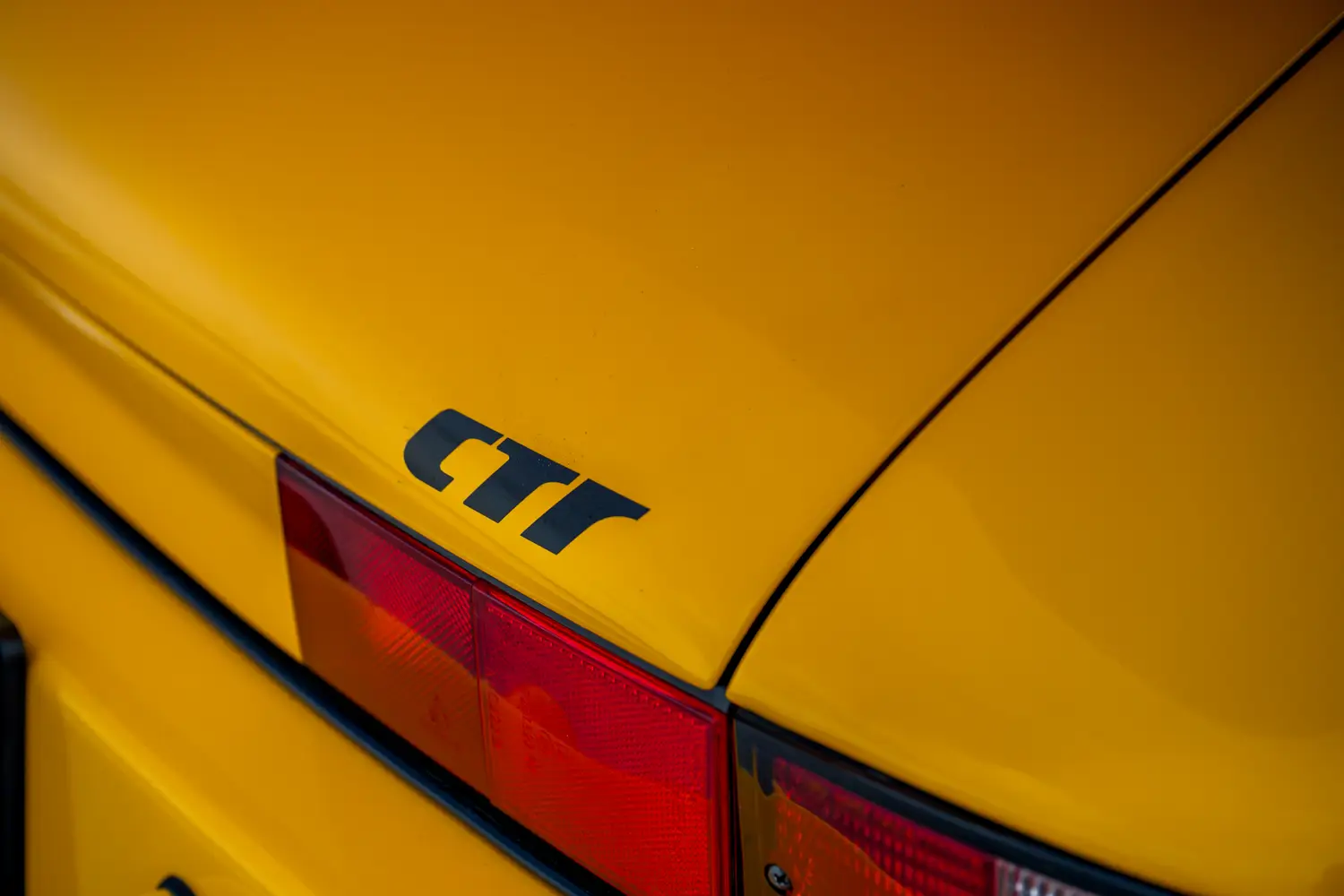
1989 RUF CTR
RUF-performed CTR conversion, documented by RUF Zertifikat and RUF delivery confirmation
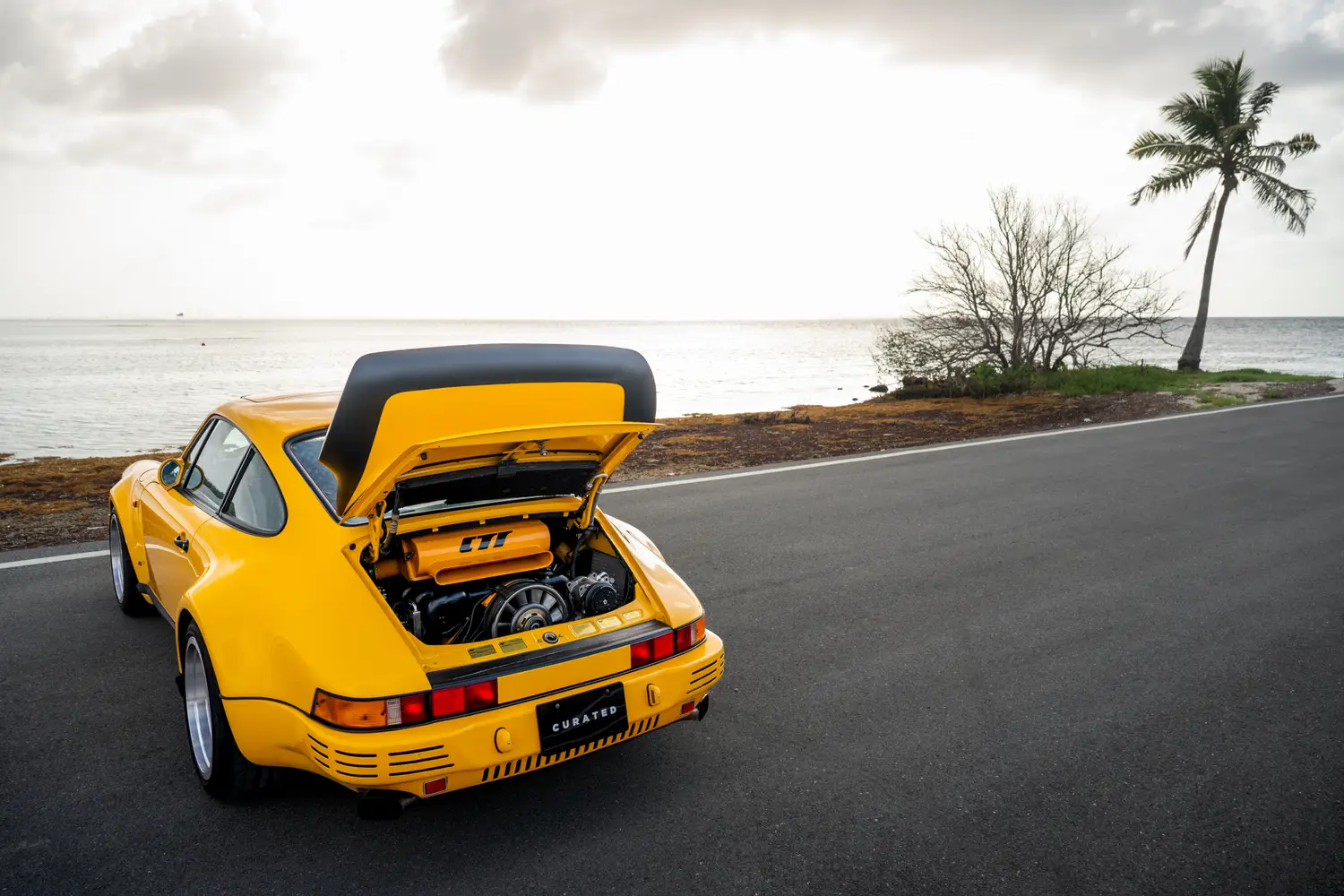
RUF-recorded CTR engine no. CTR J 037 and RUF six-speed gearbox no. R50.50 0050
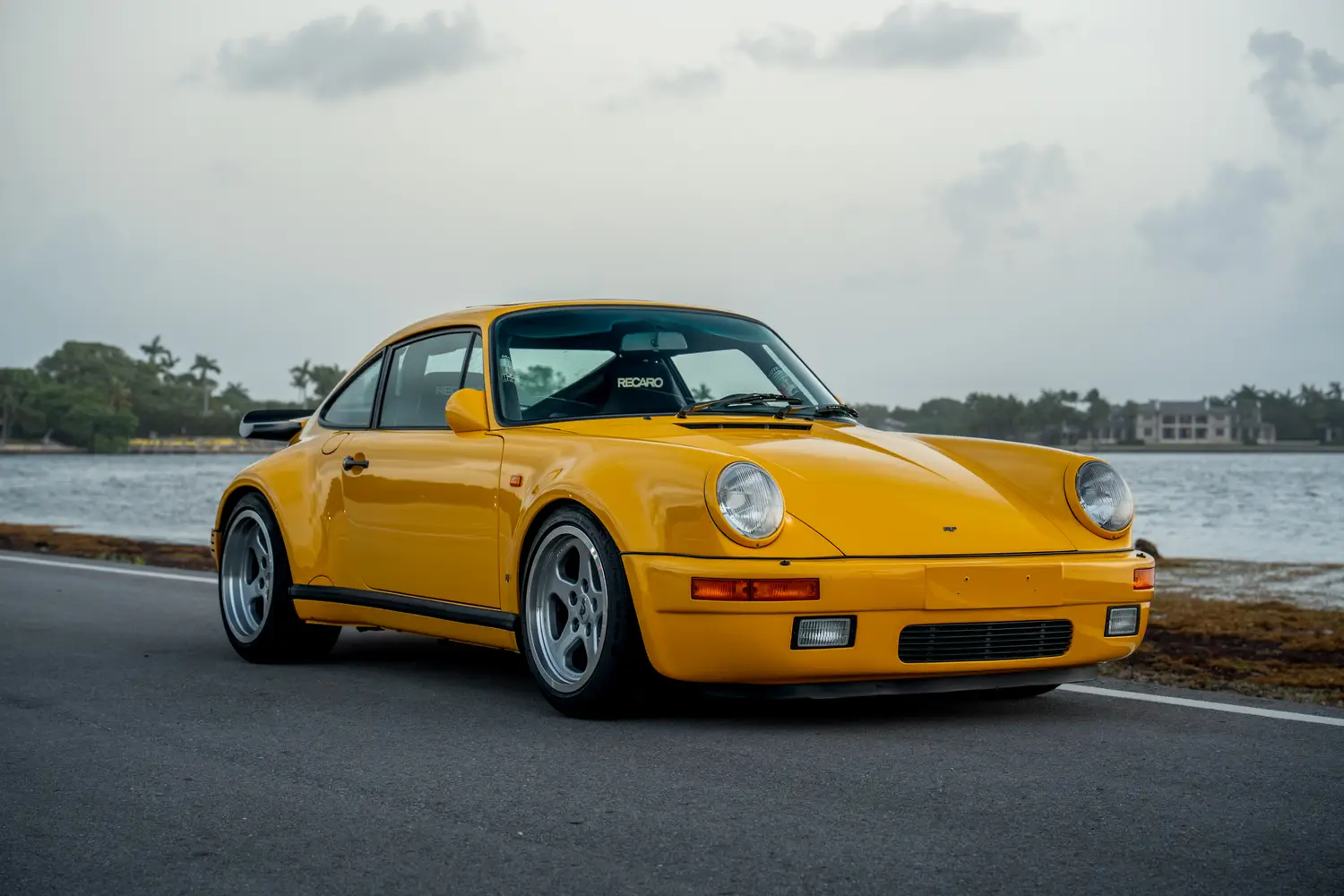
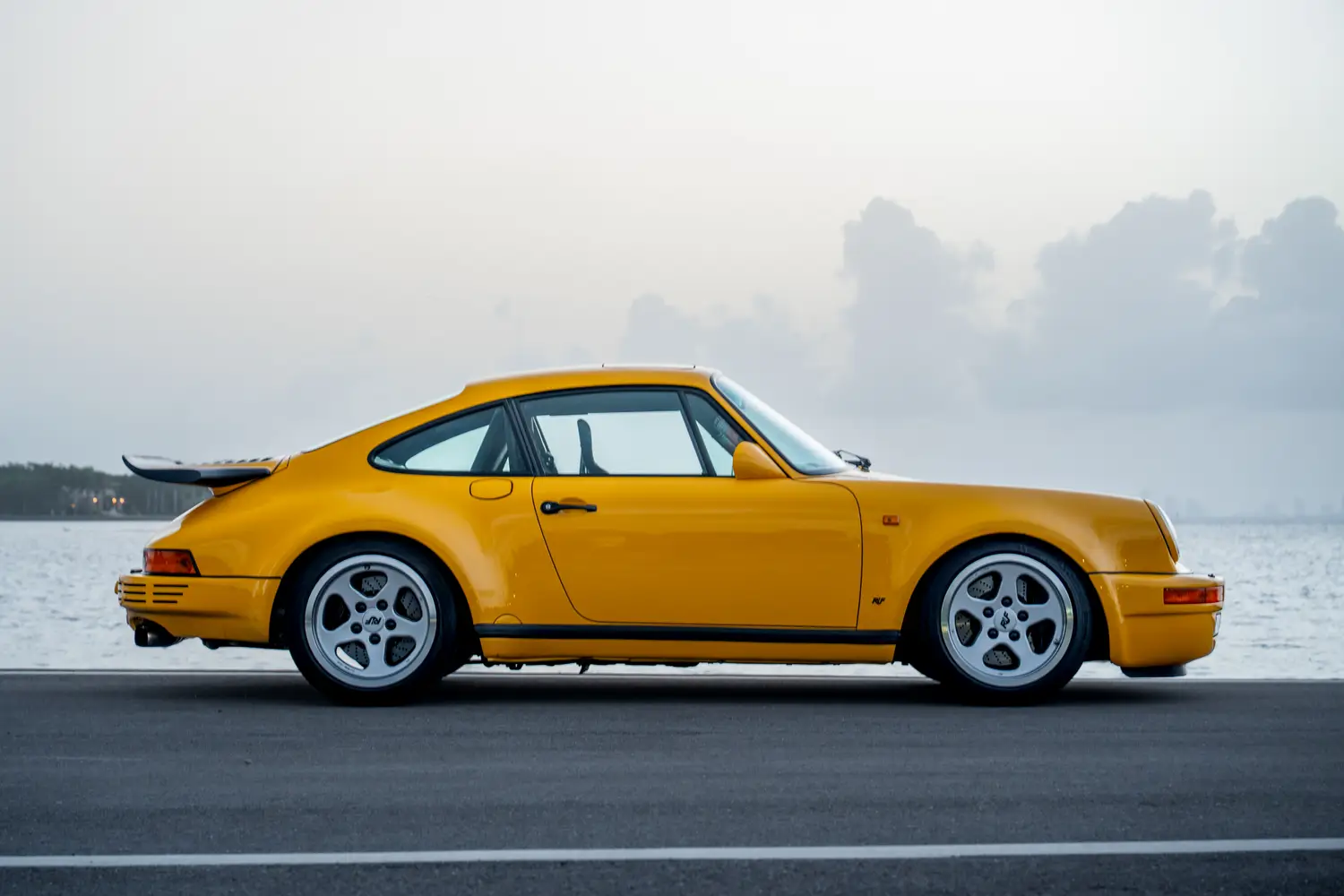
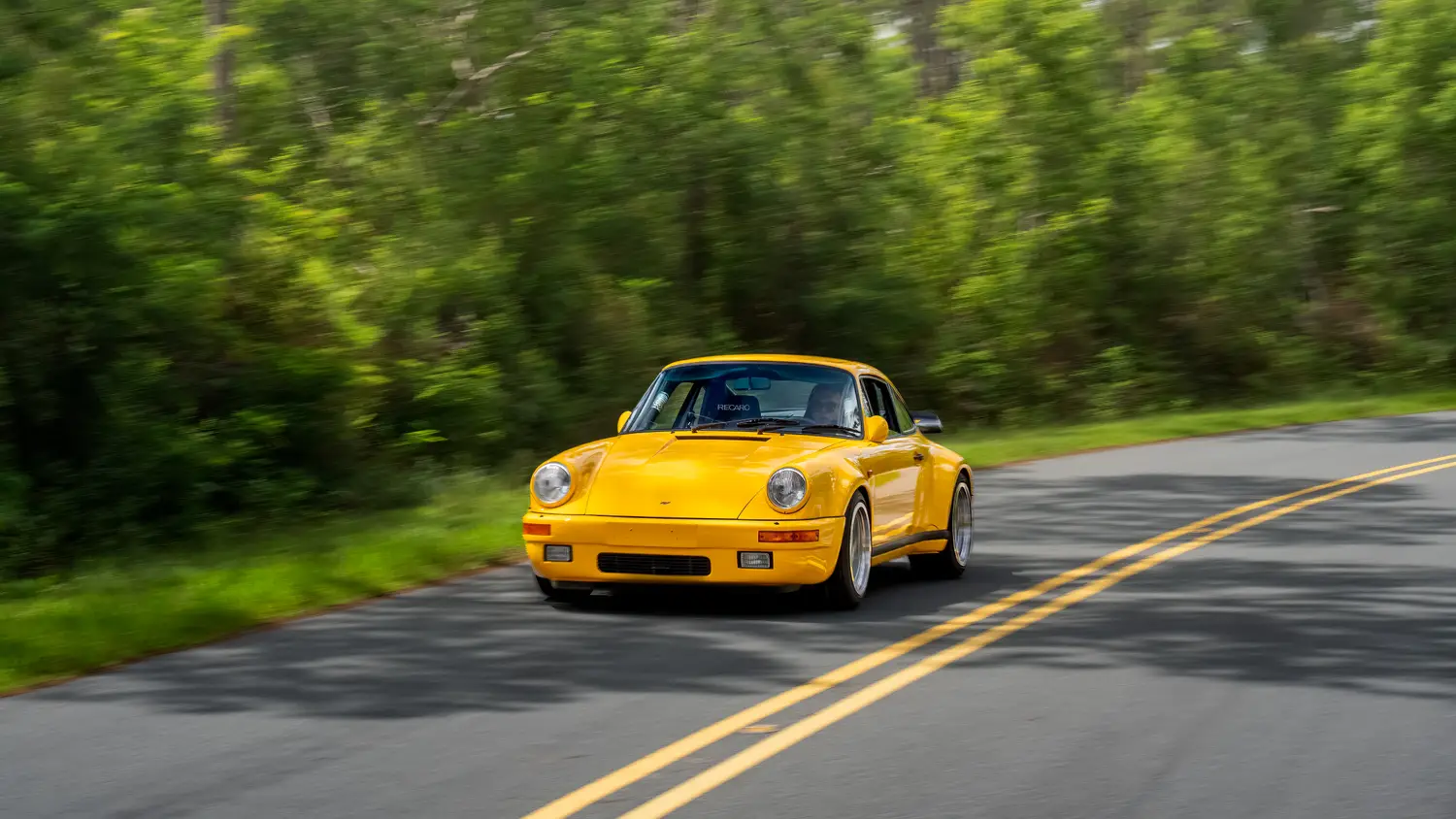
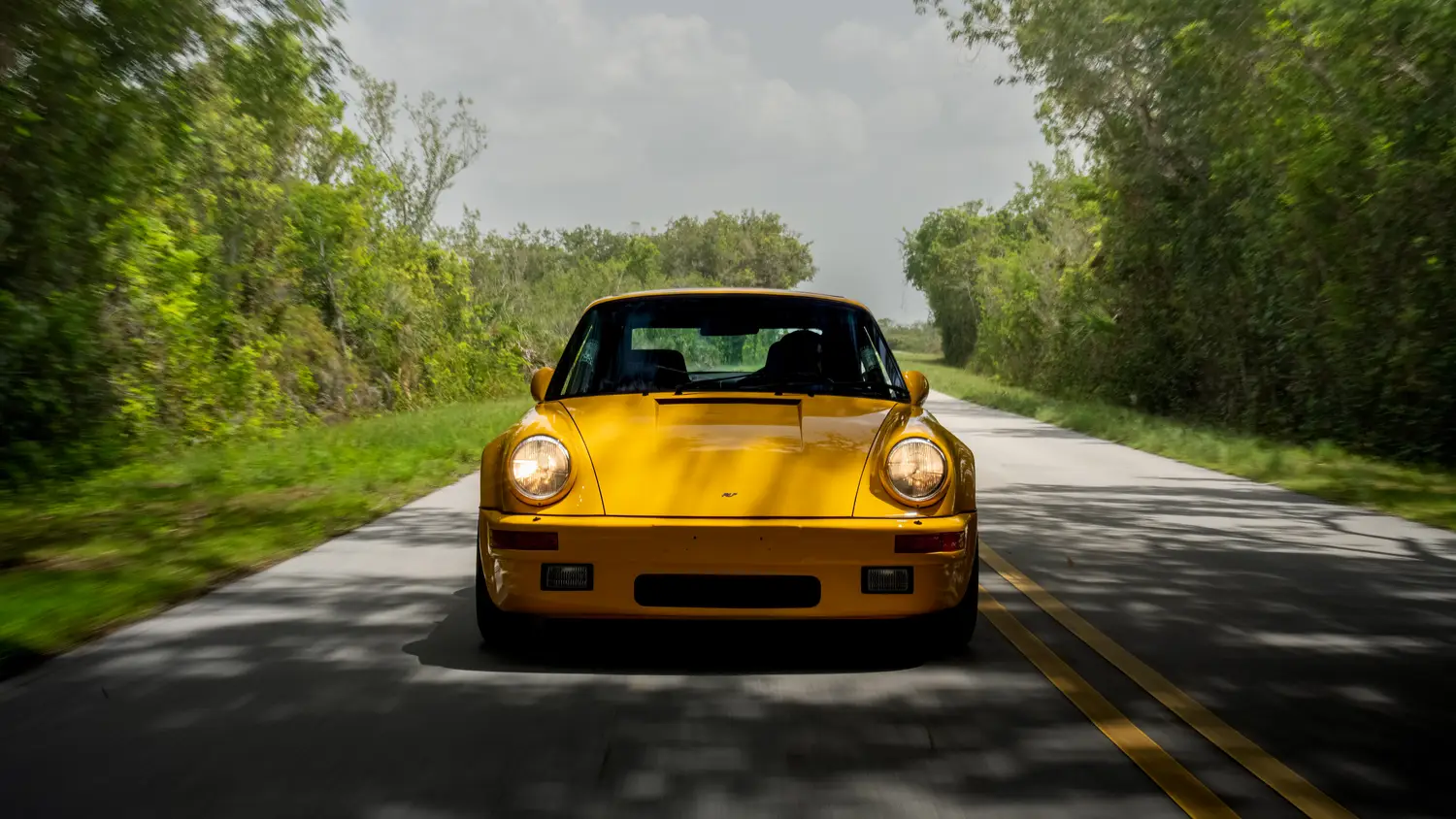
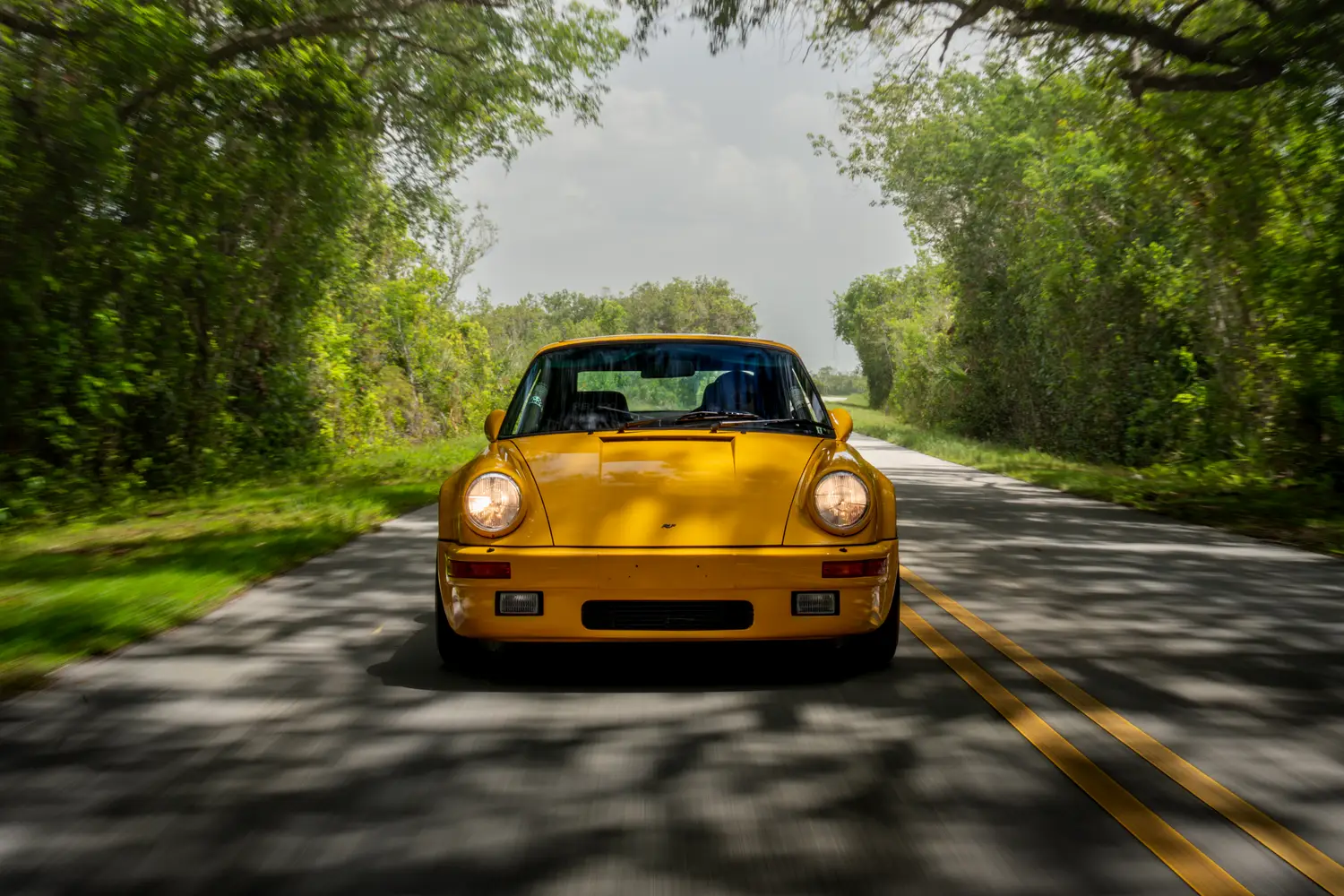
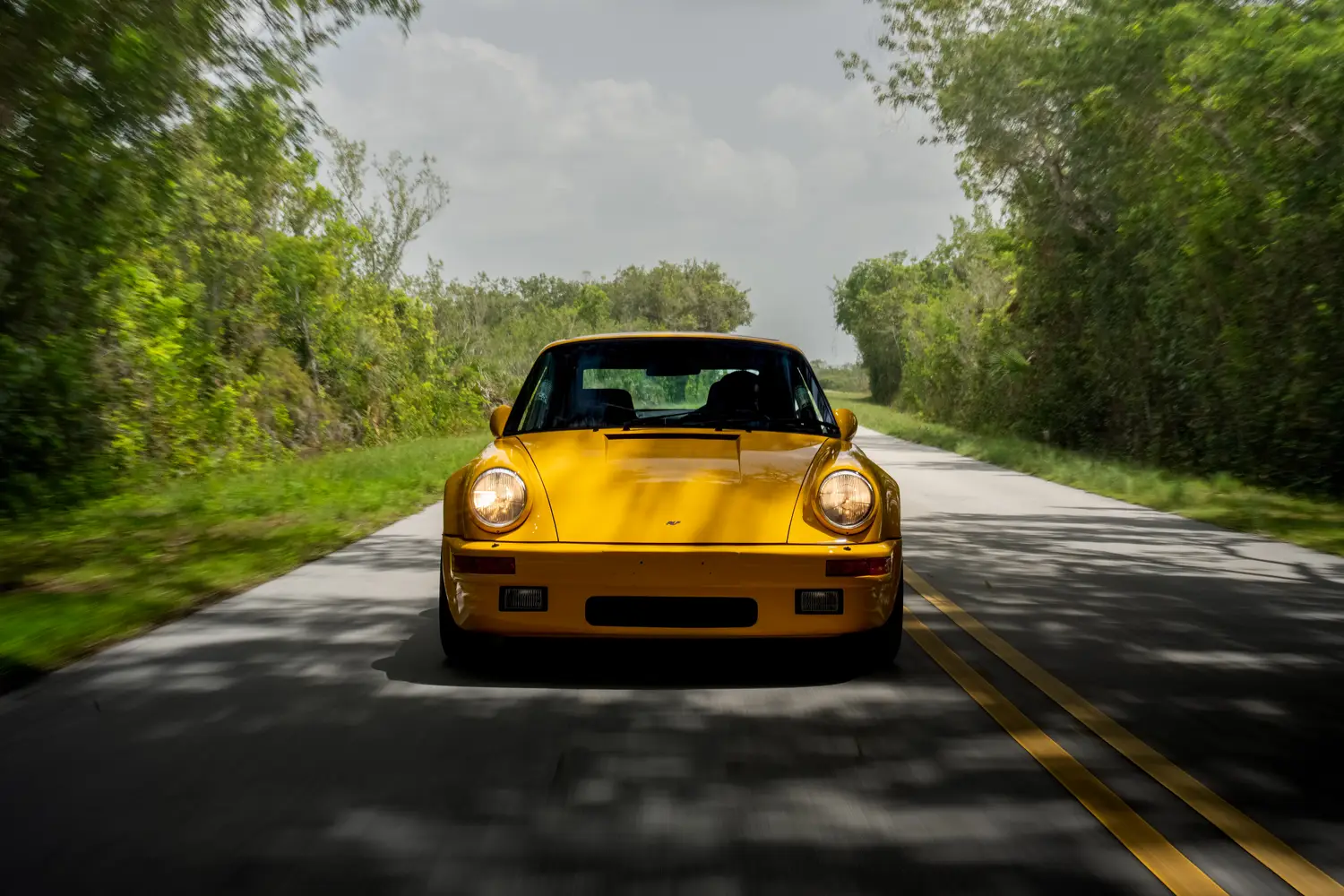
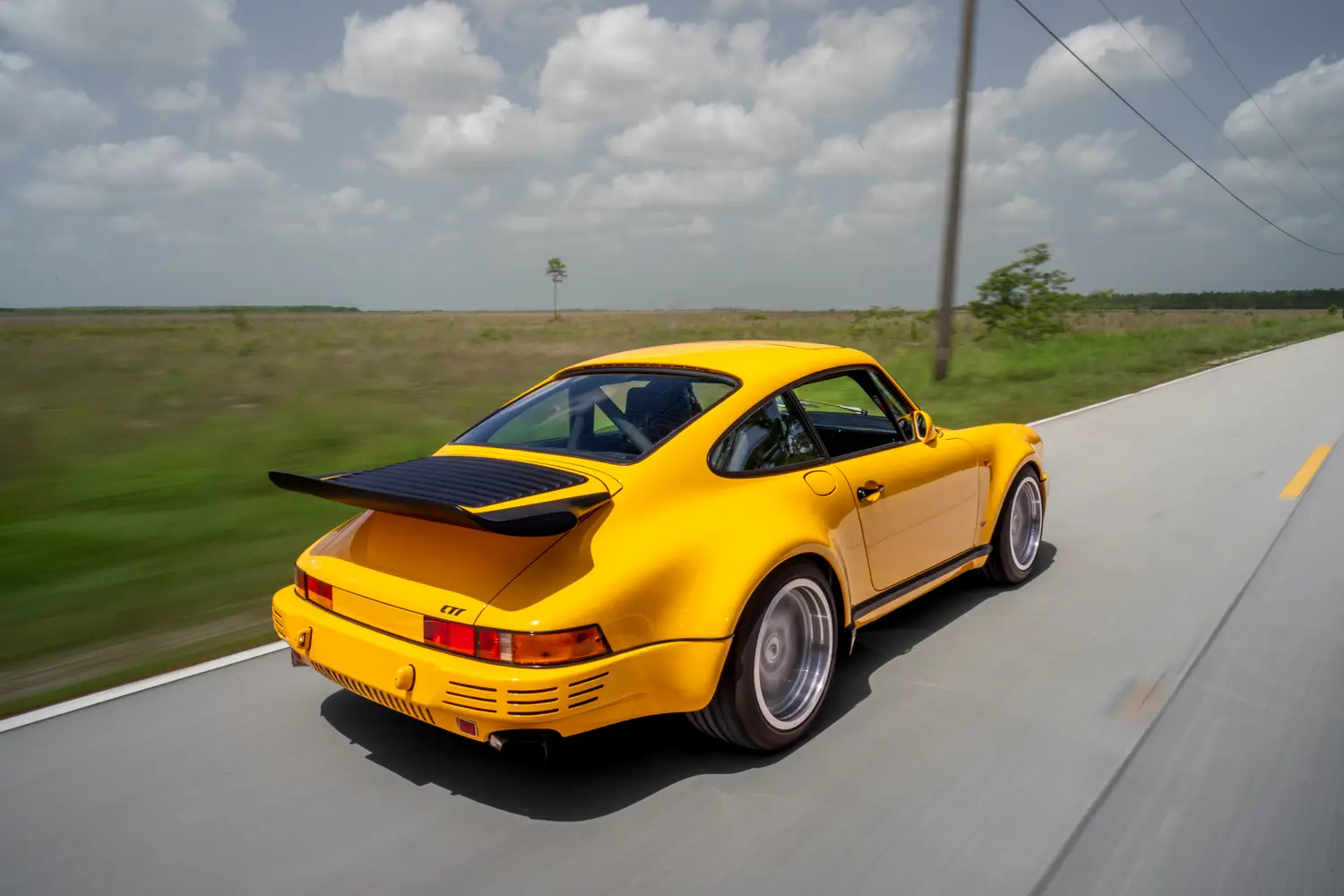
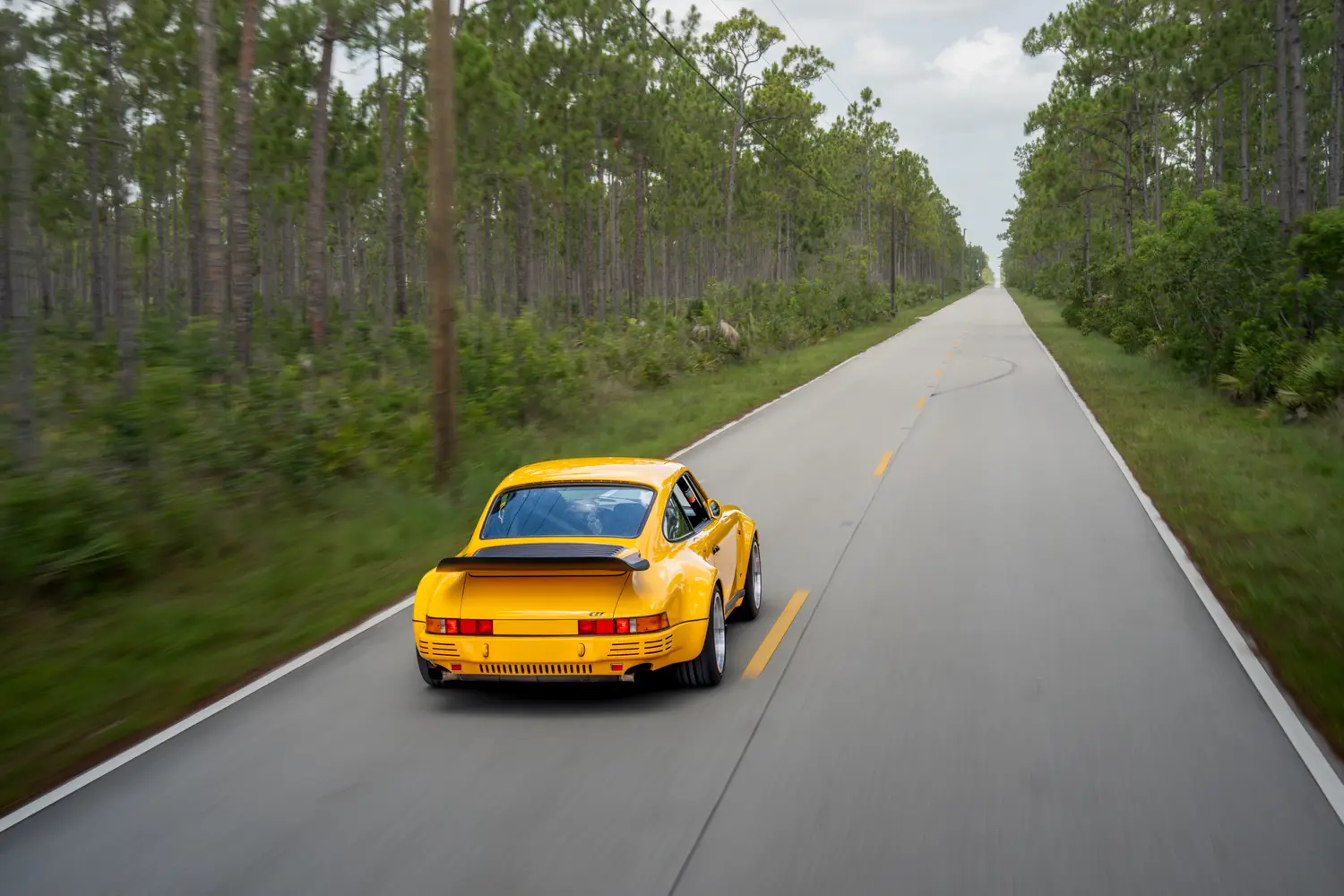
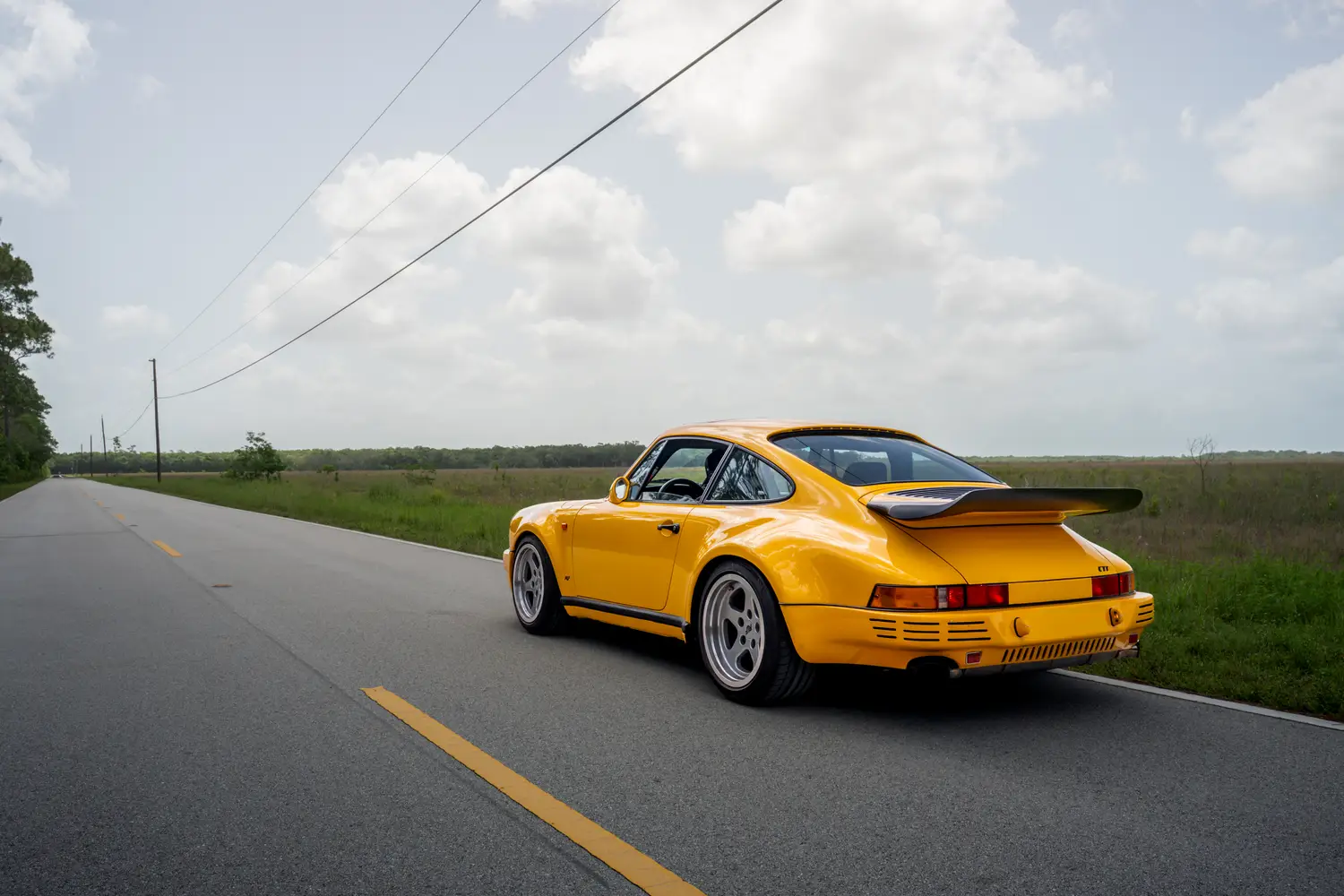
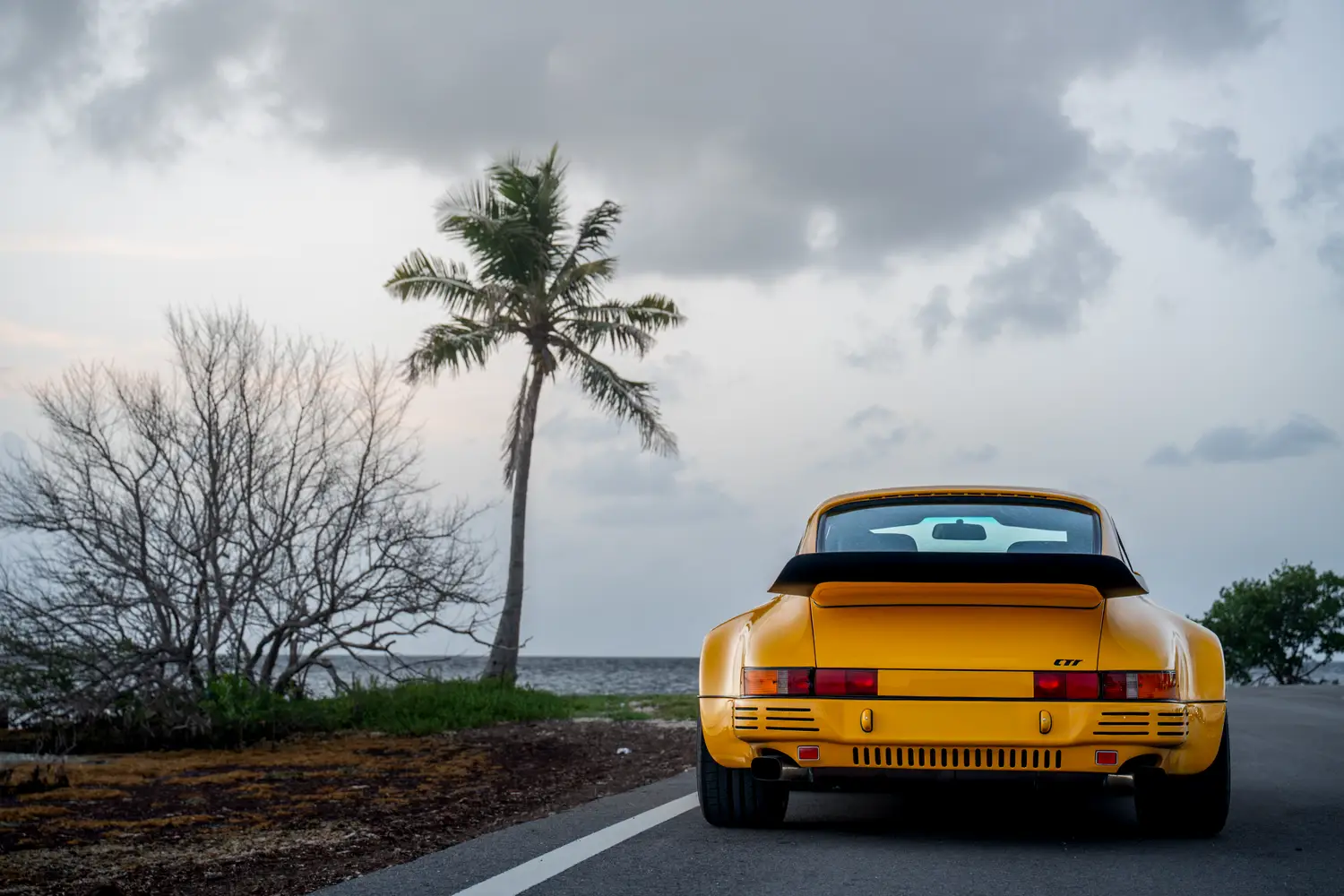
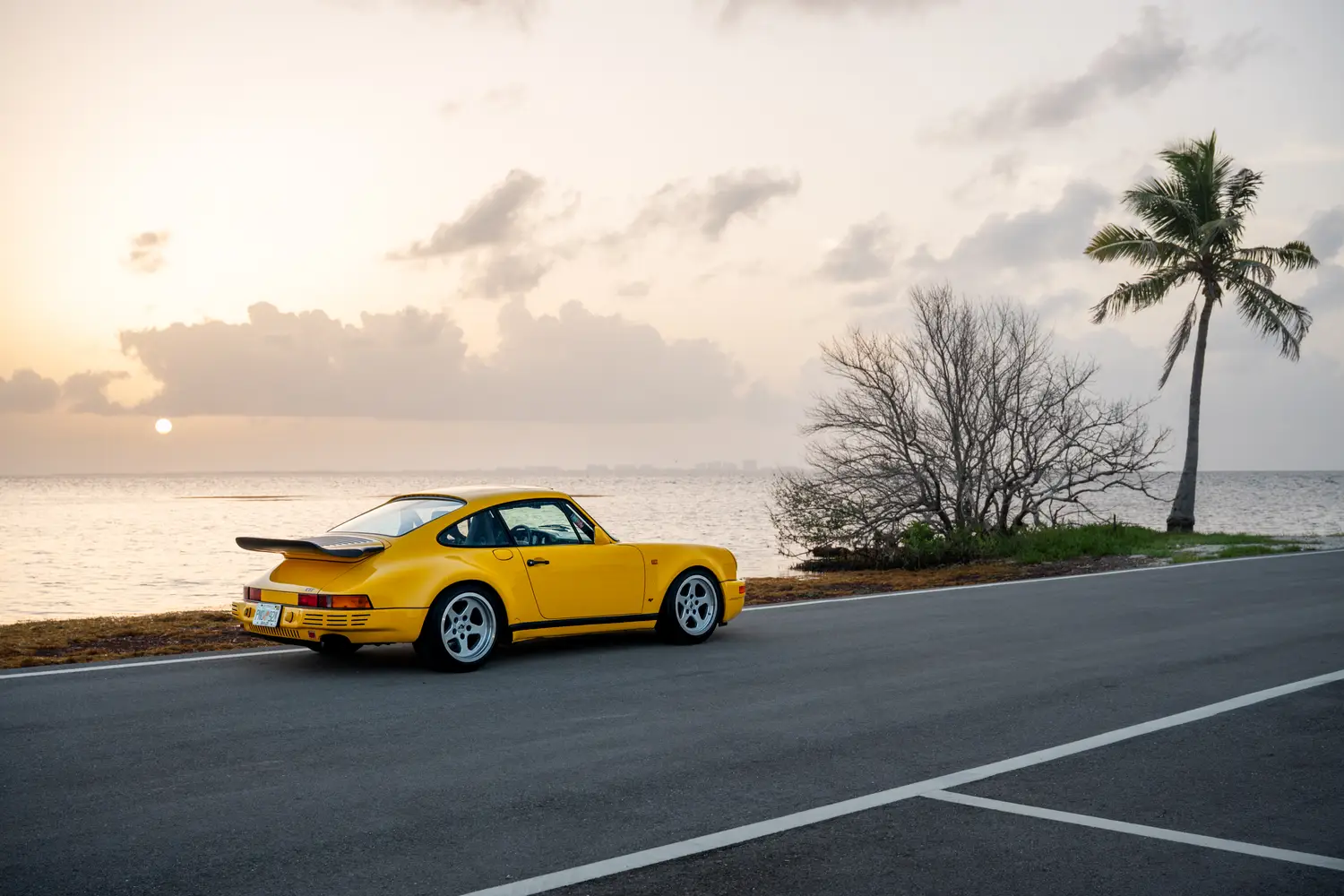
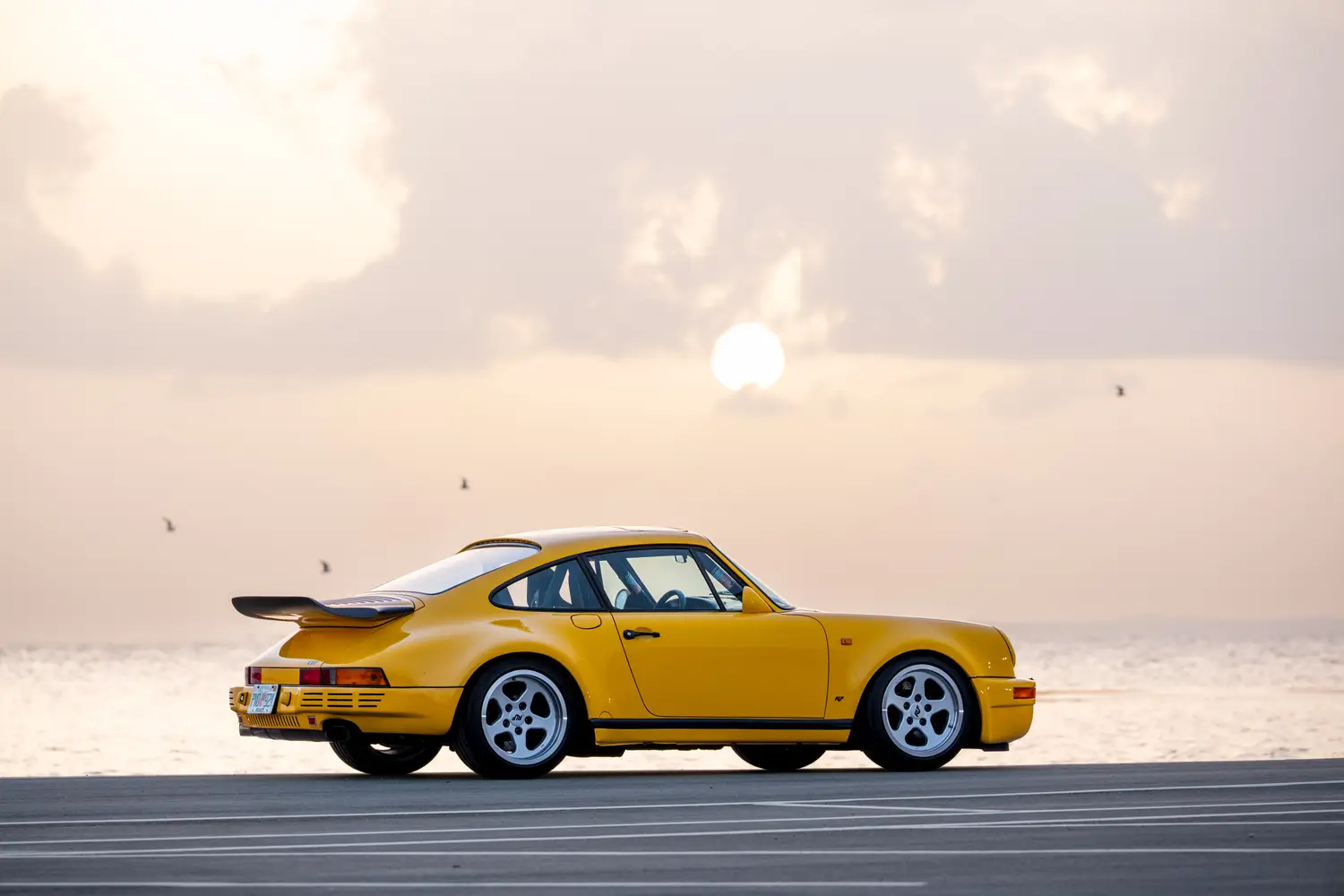
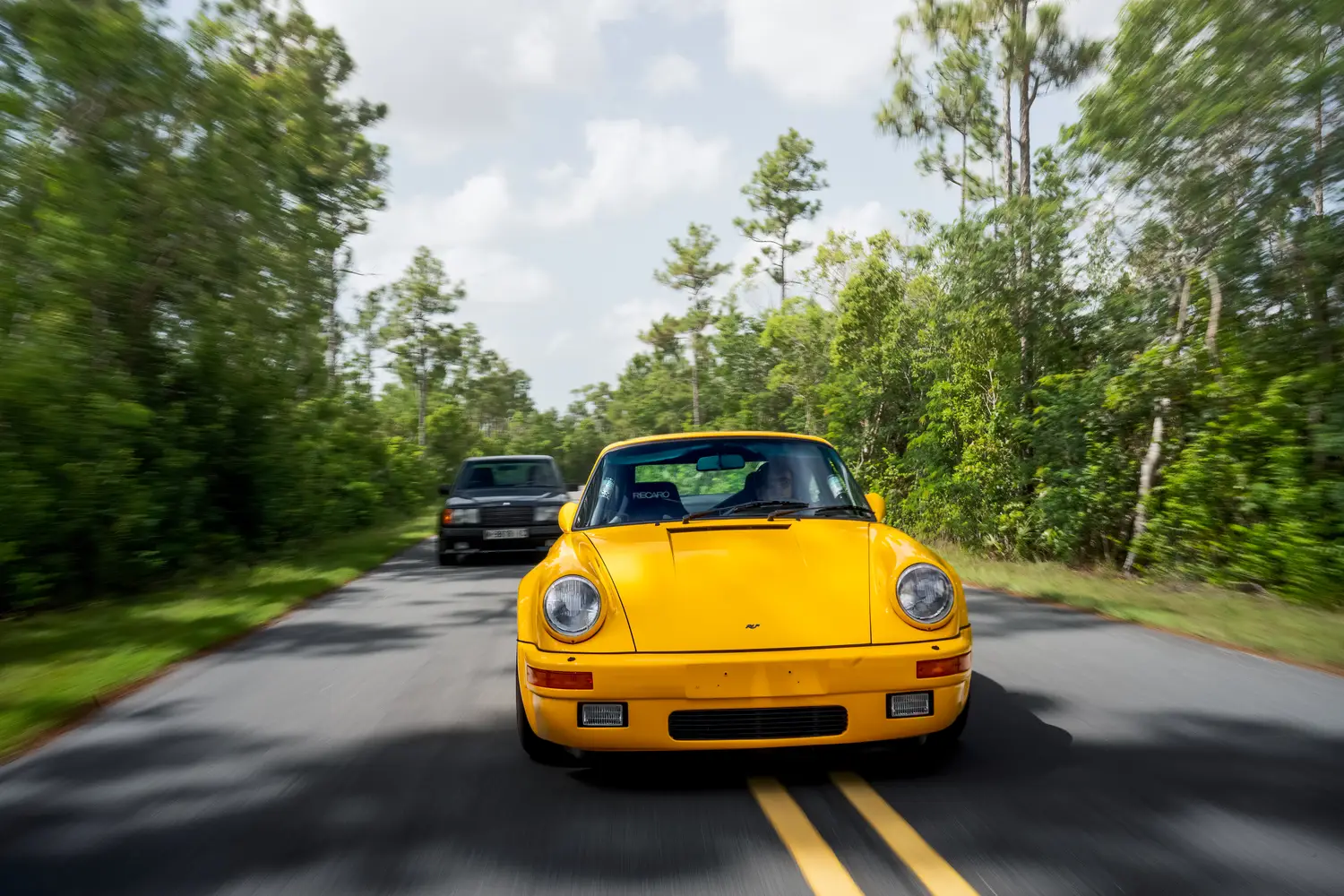
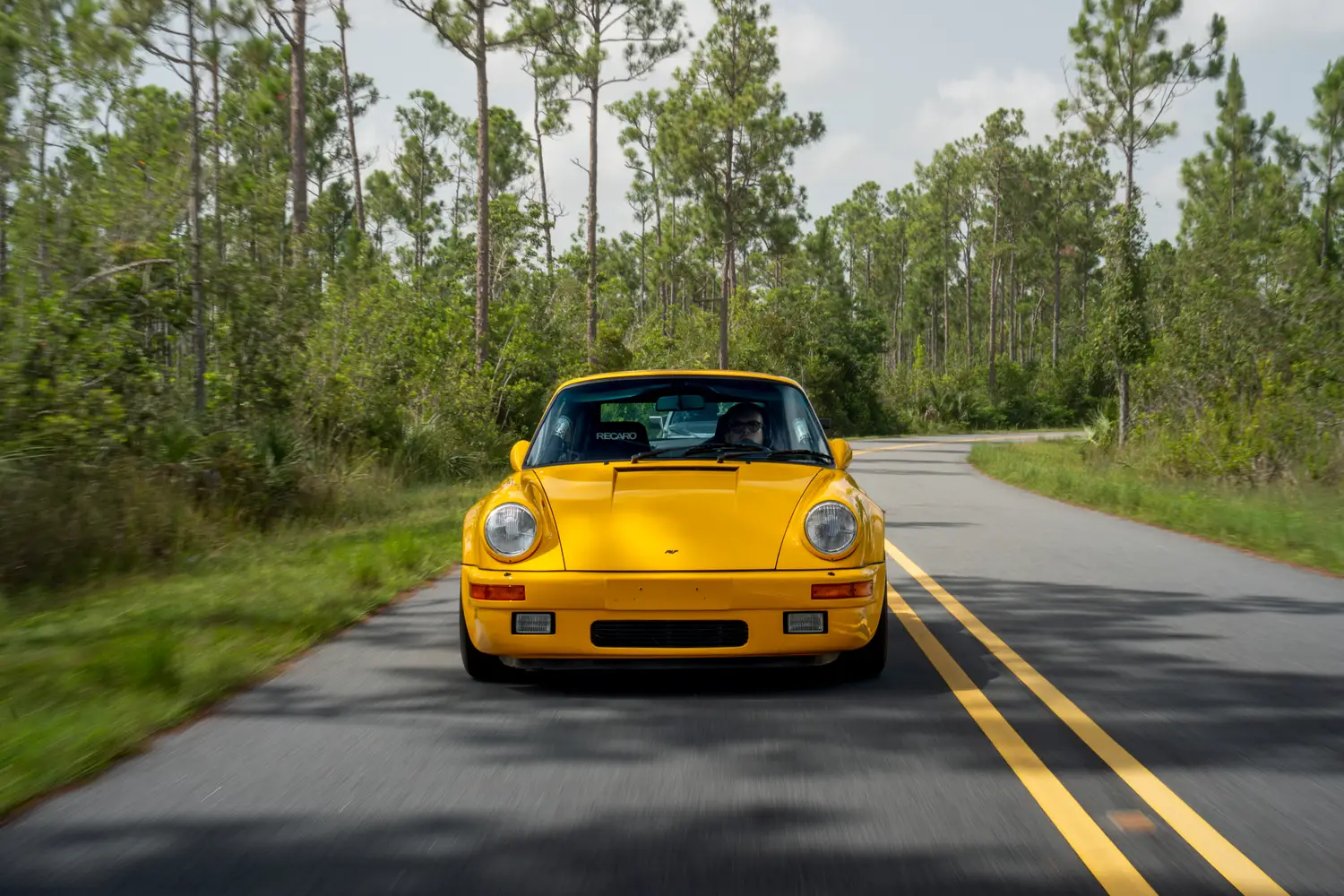
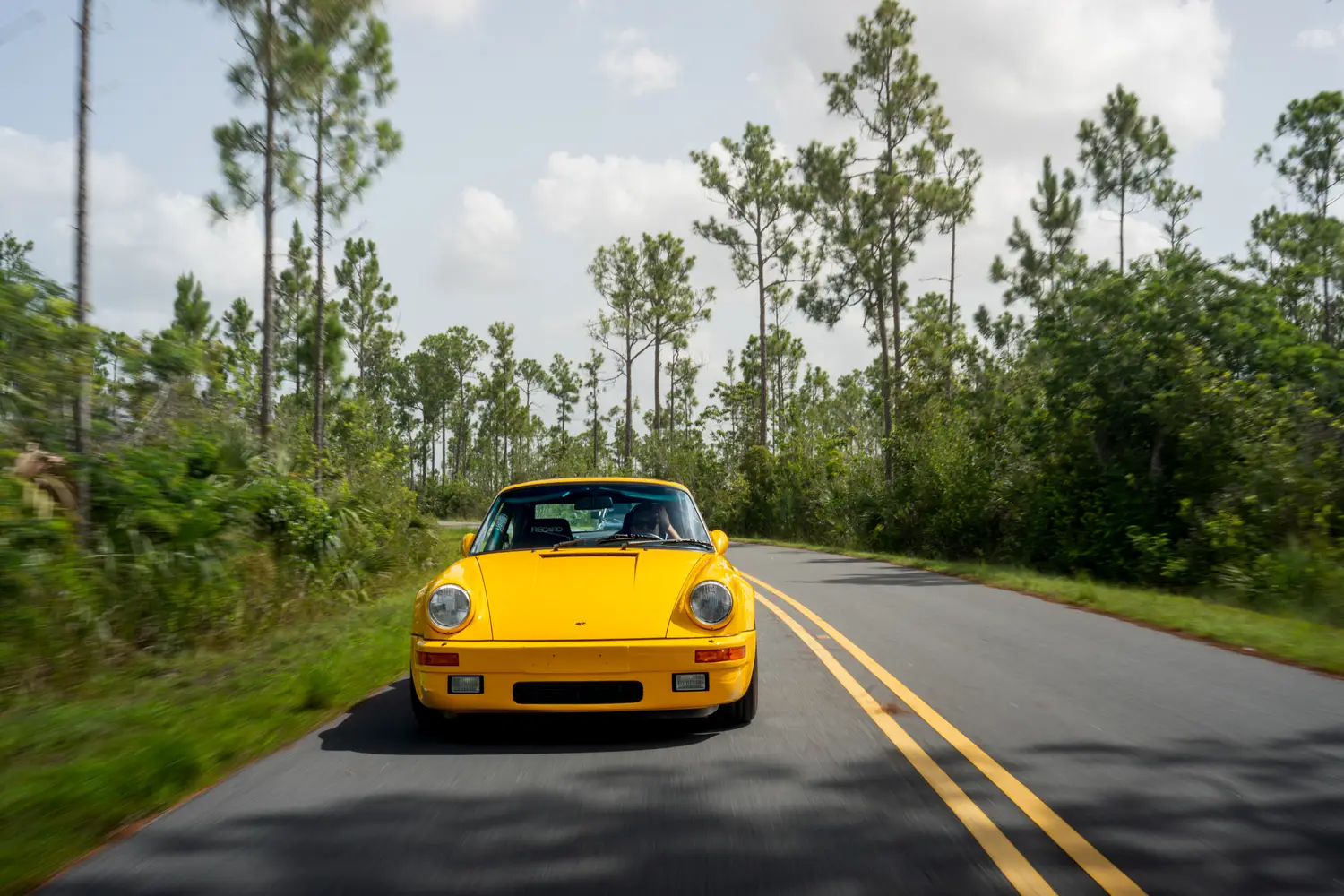
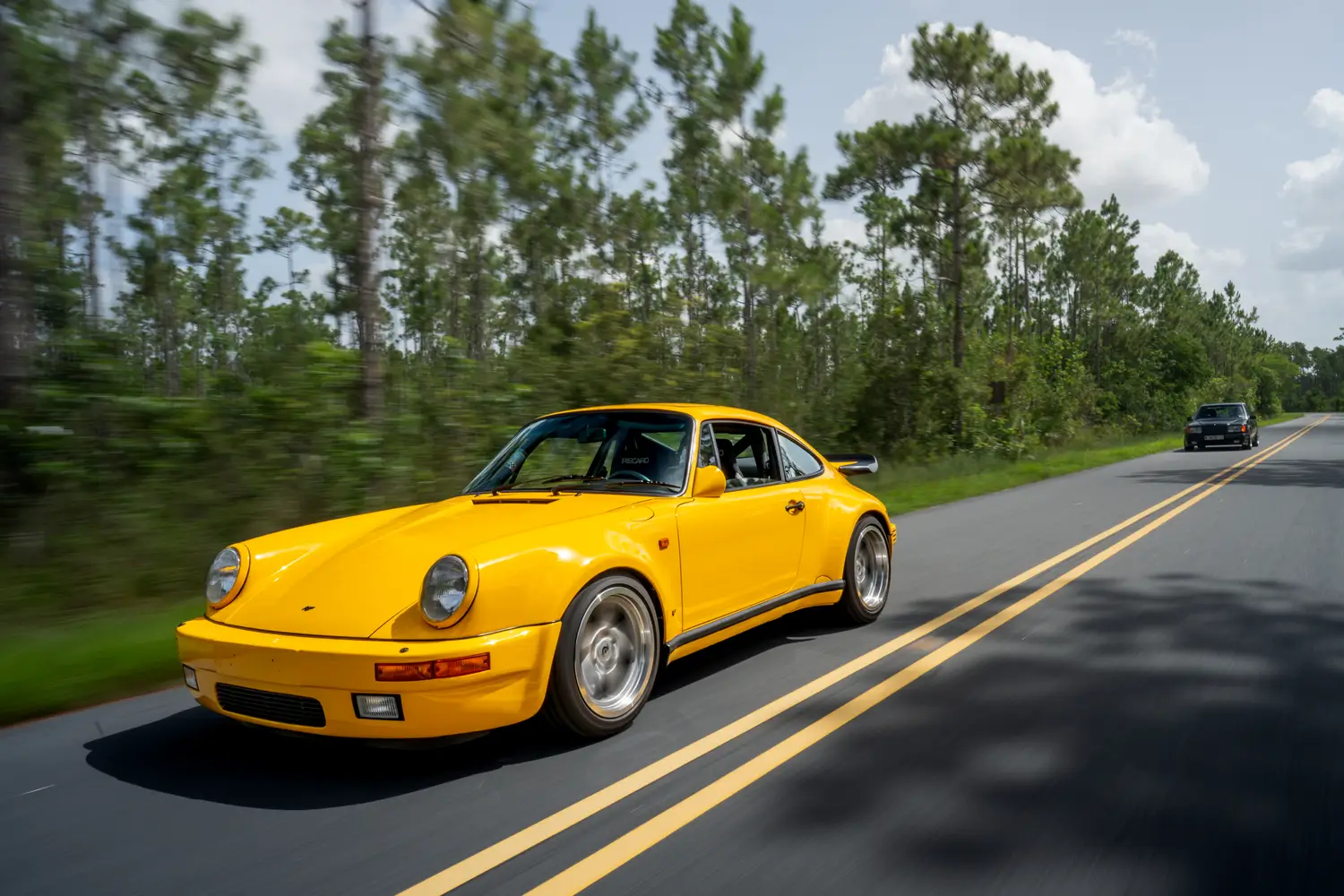
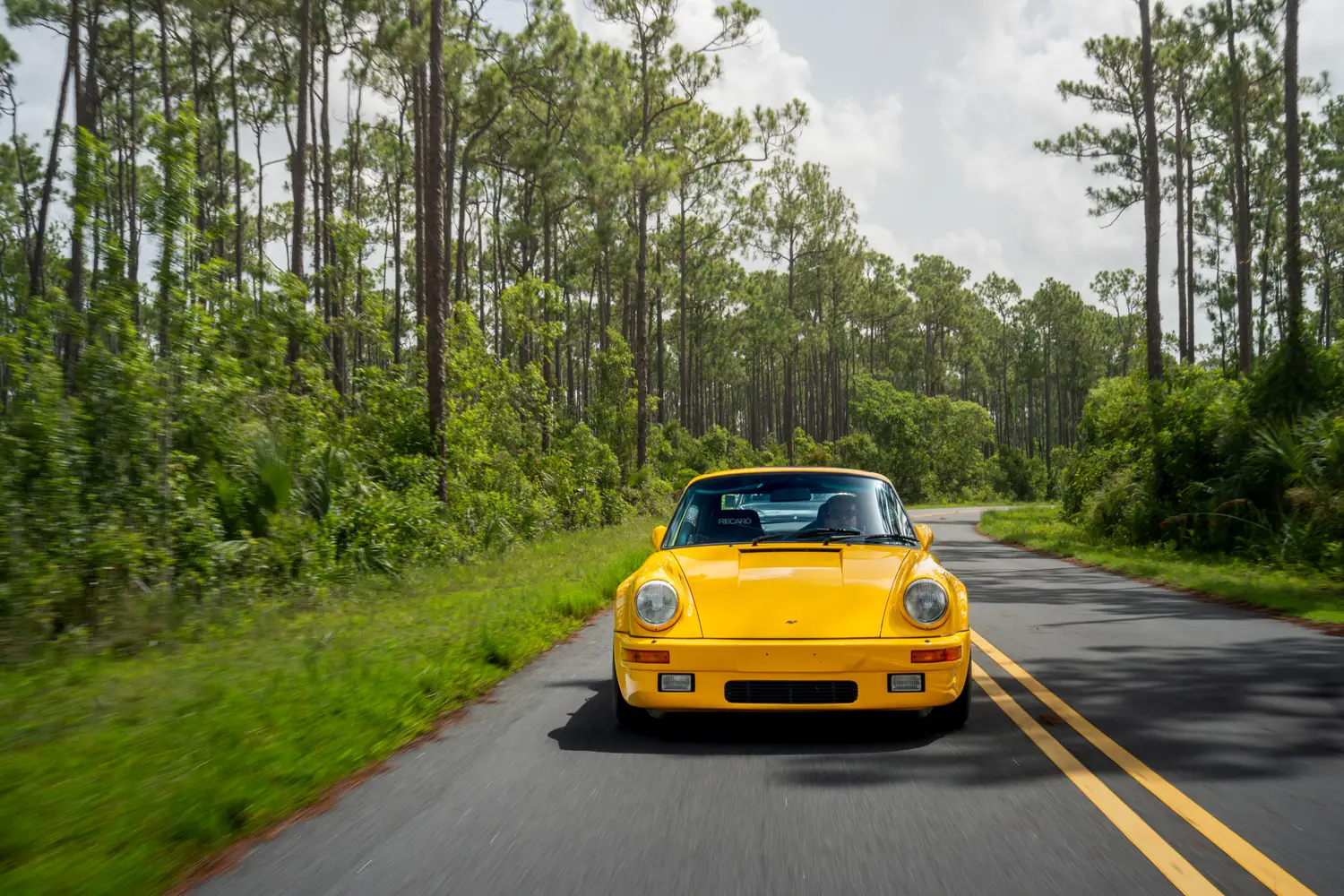
Turbo-look body in Blossom Yellow (POR 139) over black
Serviced 2022–2023 by RTC, RUF's authorized importer for Japan; CTR brake discs renewed 2023
Year
1989
Brand
RUF
Model Variant
CTR
Current Mileage
41,500
chassis
WP0ZZZ91ZKS103022
Engine capacity
3.4L air-cooled twin-turbo flat-six · 469 hp
exterior color
Interior color
transmisSion
Top speed
211 mph (339 km/h), Road & Track test, 1987
Designer
Alois Ruf
Years produced
Total production
More details
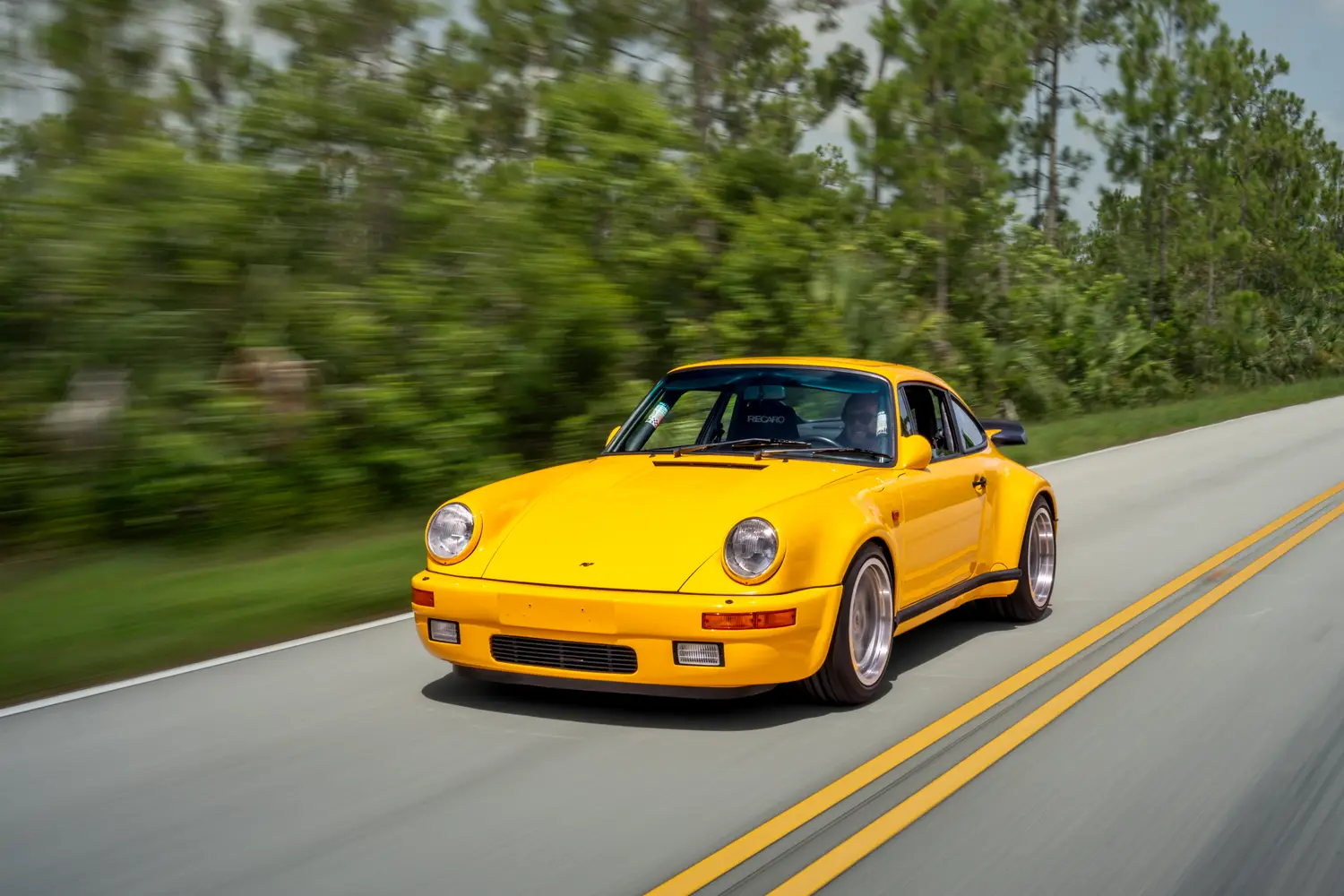
In the spring of 1987, Road & Track lined up the fastest cars money could buy and ran them flat out to see which was quickest. The Porsche 959 was there, and so was the Mercedes-Benz 300E AMG “Hammer.” But the car that went home with the headline was a yellow 911 from a small German firm called RUF, which hit 211 mph and earned a nickname that has followed it ever since: the Yellowbird. A year later, auto motor und sport clocked one at 342 km/h at Nardò, and the legend was settled.
What made the CTR special was how Alois Ruf got there. Instead of starting with the heavier 911 Turbo, he took the lighter Carrera 3.2, enlarged the engine to 3.4 liters, and added a pair of turbochargers with intercoolers. The result was 469 horsepower by RUF’s own rating, and that number has always been considered on the conservative side. RUF sold the CTR two ways: as complete cars built new in Pfaffenhausen, of which roughly 29 are generally cited, and as conversions of cars that owners brought to the factory.
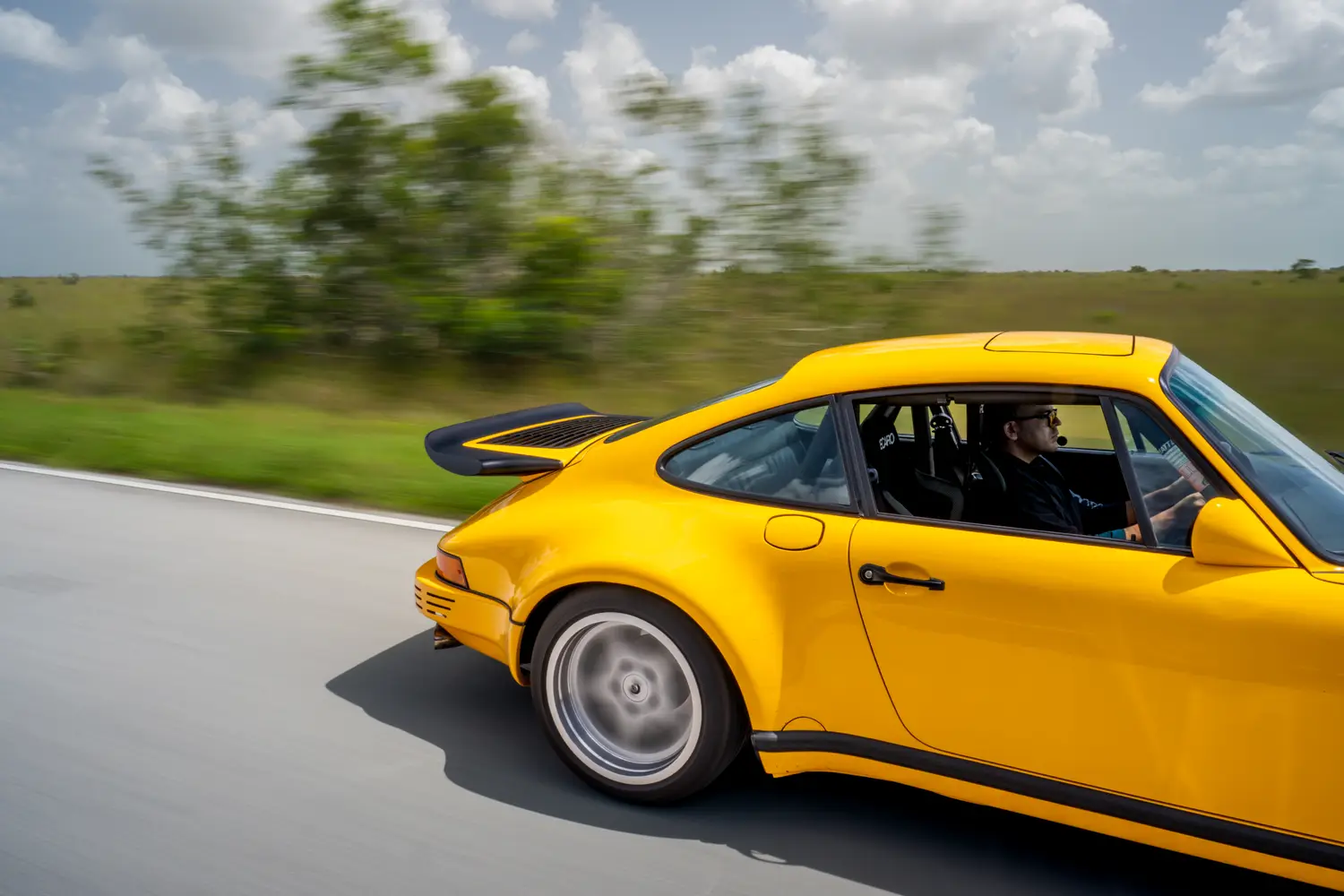
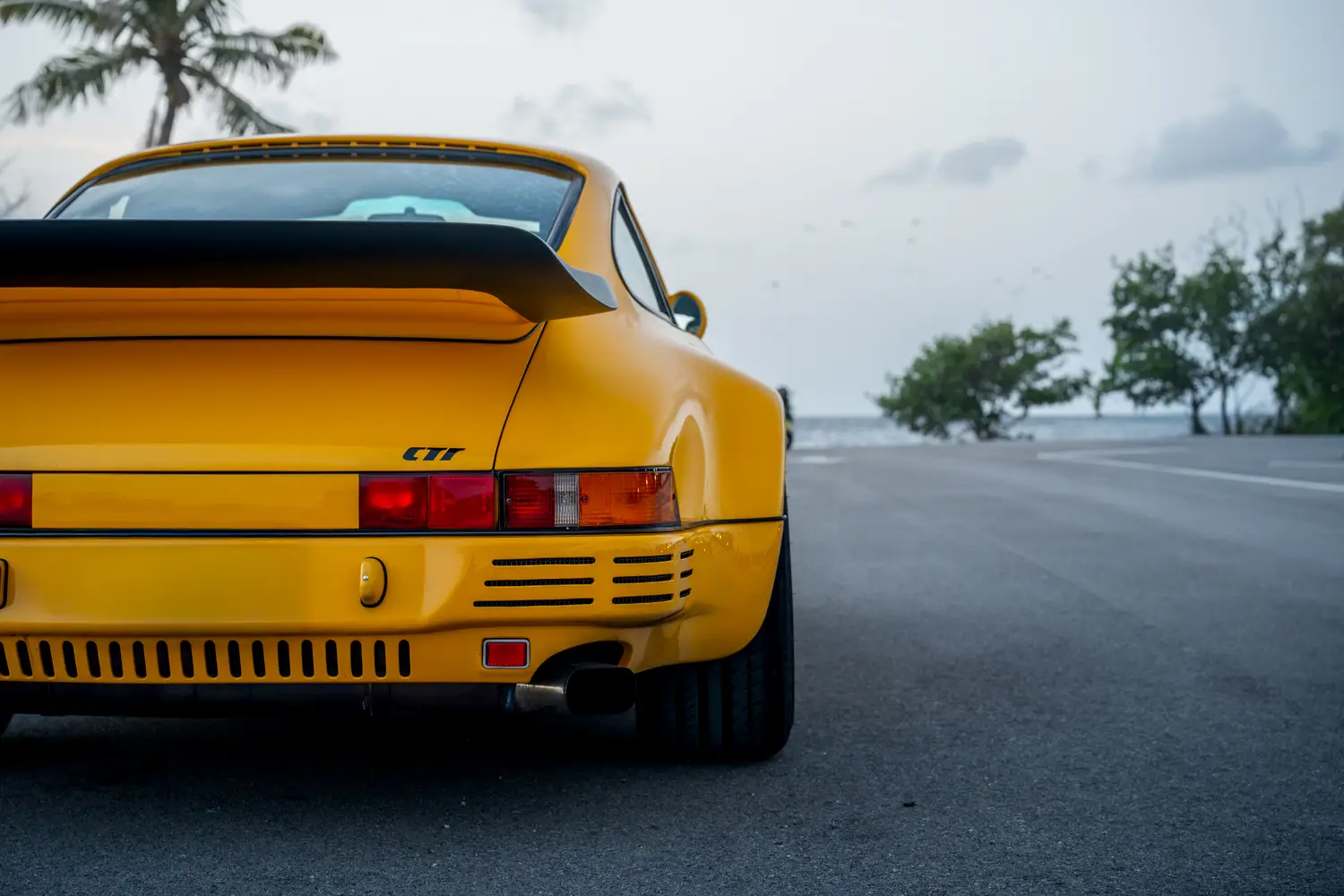
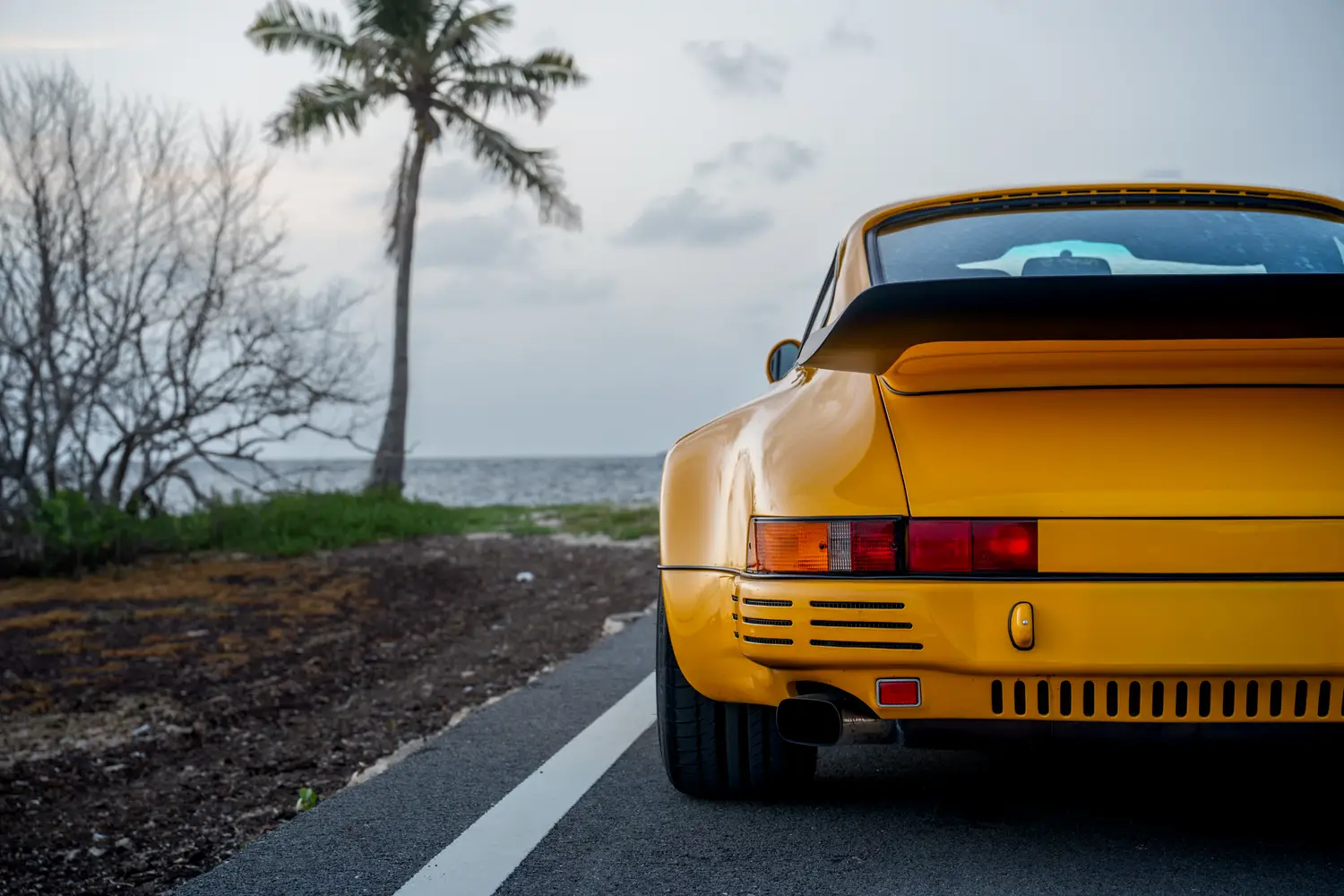
The RUF Zertifikat and a delivery confirmation issued from Pfaffenhausen in 2015 both tie this chassis to CTR engine number J 037 and to RUF’s six-speed gearbox, number R50.50 0050, with a limited-slip differential. RUF invoiced the work in January 1991 and delivered the car in Germany. It wears Blütengelb, the same yellow that made the original famous, over a black interior. Unlike the narrow-bodied Yellowbird, this one was built on a Turbo-look body, so it carries the wider, more muscular rear of the 911 Turbo.
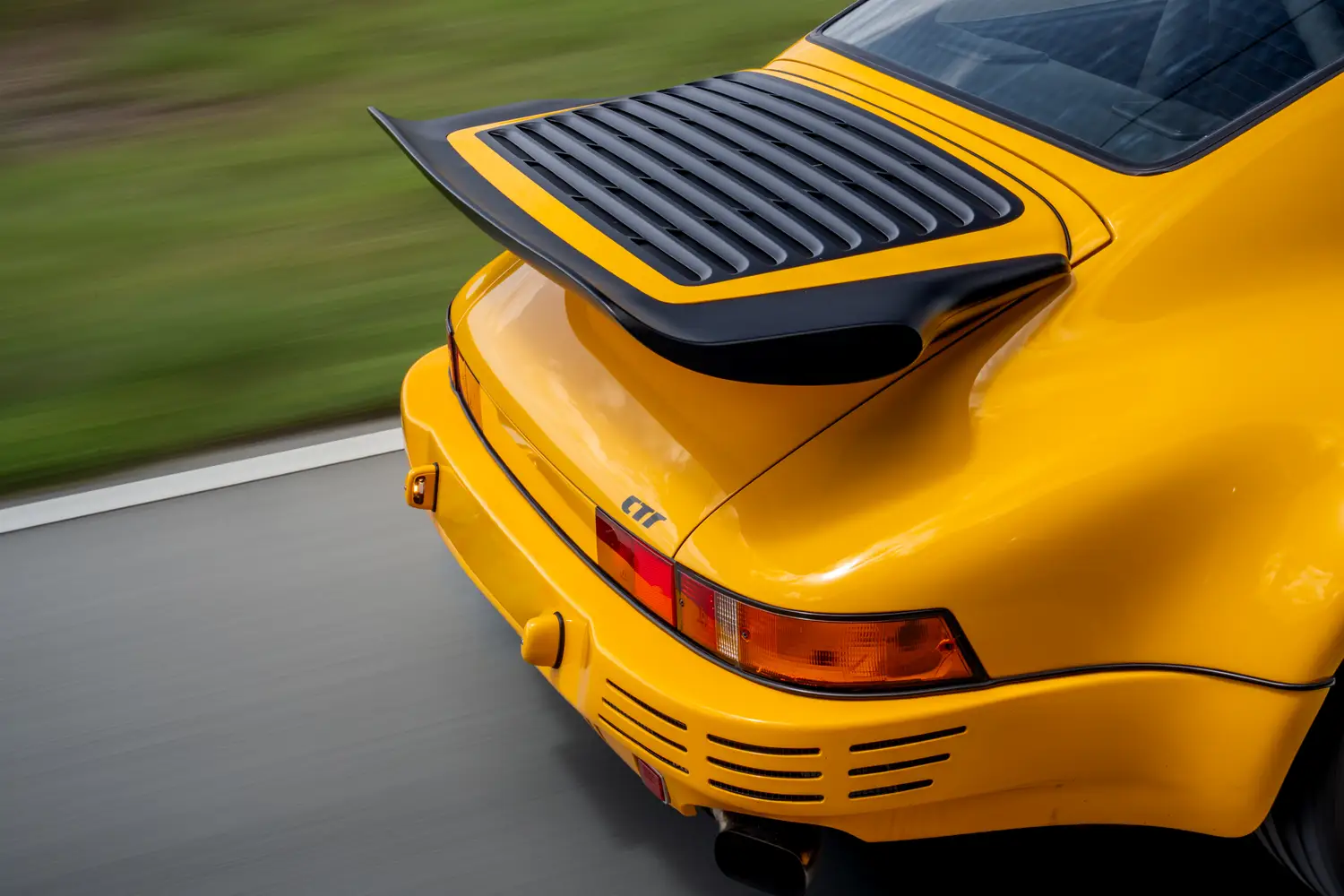
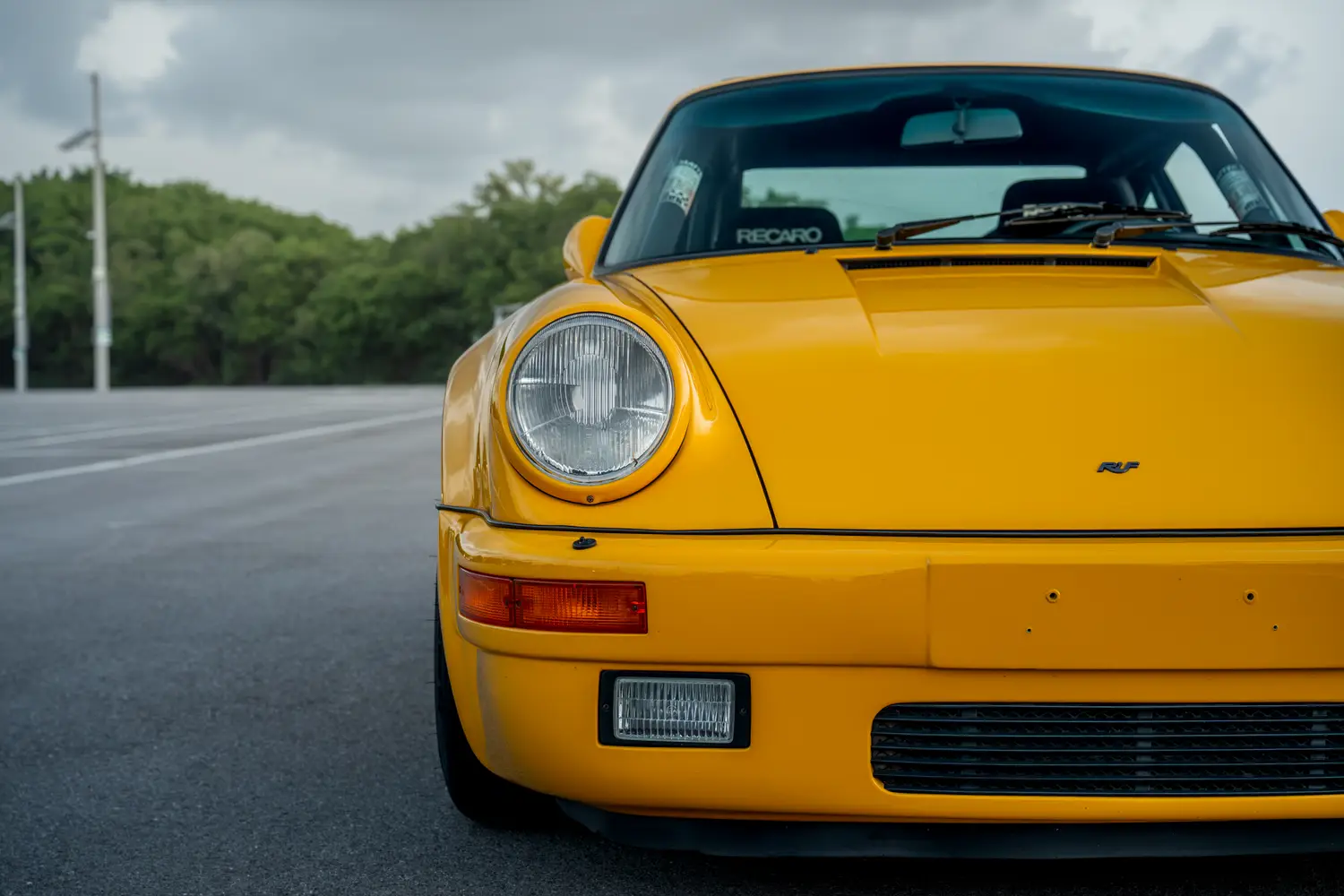
The spec sheet confirms what modifications RUF did to make a CTR a CTR. It has the CTR spoilers front and rear, the CTR oil cooling, and the CTR brakes. Underneath, it runs RUF sport stabilizers, a strut tower brace, and Bilstein Sport dampers, and it sits on RUF’s five-spoke 17-inch wheels. Inside, you’ll find a RUF steering wheel and instruments, Recaro CSI seats, a fully integrated roll cage, and the boost regulation valve mounted between the seats, a detail CTR people will appreciate. There’s even the 105-liter fuel tank, for when 211 mph needs a little more range.
The car spent a good part of its life in Aichi Prefecture, Japan, where RUF has long had a devoted following. Its Japanese inspection records begin in 2011 and list it by its CTR designation, and in 2019 it was offered by the Japanese dealer BINGO at around 34,000 km.
More recently, it was looked after by RTC in Kyoto, RUF’s authorized importer for Japan, and both invoices are in the file. In the fall of 2022, at 39,310 km, RTC gave it a full inspection and road test, sorted a small turbo oil seep, repaired an exhaust bracket, replaced the oil pressure sensor, serviced the oil, and touched up the rear bumper and spoiler. The car went back in March 2023, at 39,961 km, for a roughly ¥1 million visit that included new CTR brake discs and pads at all four corners, fresh brake fluid, another oil service, and a new shift rod joint. In June 2024, the car came into Germany through Bremen.
It comes with its RUF Zertifikat, the RUF delivery confirmation, the RTC service invoices, its Japanese inspection and maintenance records, and the German import paperwork. For anyone who has wanted a CTR but never seen the right one come up, this is a rare chance to own one whose RUF pedigree is written down, numbers and all.
Read more
See less
No items found.
For more photos and details, contact us.