


15 Supercars That Have Recently Surged in Value
Take a look at the supercars that are turning into cultural artifacts with a seven-figure price tag. Here is how the collector car market is being reshaped by the convergence of extreme rarity, generational nostalgia, and analog driving experiences.

If you remember seeing a Ferrari F40 that cost around a million dollars ten years ago, well, it may bring over three million at auction today. Certain once-overlooked cars gathering dust in the back of the garage may now turn into a solid seven-figure investment. Across the world, certain supercars have stopped being cars and started being assets.
Why is it happening? Think of the collector car market as a perfect storm where three massive forces collide: extreme scarcity, generational nostalgia, and the end of an automotive era. These three factors illustrate how certain models on our list experienced such an extraordinary increase in value over the last two decades.
Why these specific models? To understand why the values of some of the models we've listed are exploding, let's do some simple math. Production runs were tiny (often just a few hundred cars). Time has also been brutal as crashes happened, modifications were made, and heavy use took its toll. The pool of pristine, documented examples shrinks every year while global wealth expands. In a nutshell, when demand for time-capsule cars with complete provenance outpaces supply, prices rise significantly.
The emotions and nostalgia follow. Buyers hitting their peak earning years are the same people who had F40 posters on their walls at age twelve. They learned heel-toe downshifts in Gran Turismo. They watched The Fast and the Furious movies. Recent coverage and results from RM Sotheby’s and Barrett‑Jackson and other auction houses consistently point to 1990s and 2000s performance icons showing double-digit appreciation.
The analog factor matters just as much. Manual gearboxes are vanishing and hydraulic steering feels like a relic. Past-era cars start resembling vinyl records in a streaming world; these cars are more tactile, mechanical, irreplaceable. The premium for that experience is basically supply and demand for something that cannot be recreated.
Market infrastructure has also evolved. Collectible cars are now part of diversified investment portfolios that include stocks and real estate. Fractional ownership platforms, detailed valuation indices, and dedicated investment funds view some Ferraris in the same way they view Monet paintings.
Last but not least, the media is also playing a role. When a Carrera GT sets an auction record, the headlines fuel searches, which fuel desire, which leads to higher bids for the next auction. Additionally, social media platforms like Instagram and YouTube have made high-end car ownership more visible and aspirational.
Now, without further ado, let's explore the list of supercars that have gained significant value over the past few decades.
Ferrari Icons
288 GTO
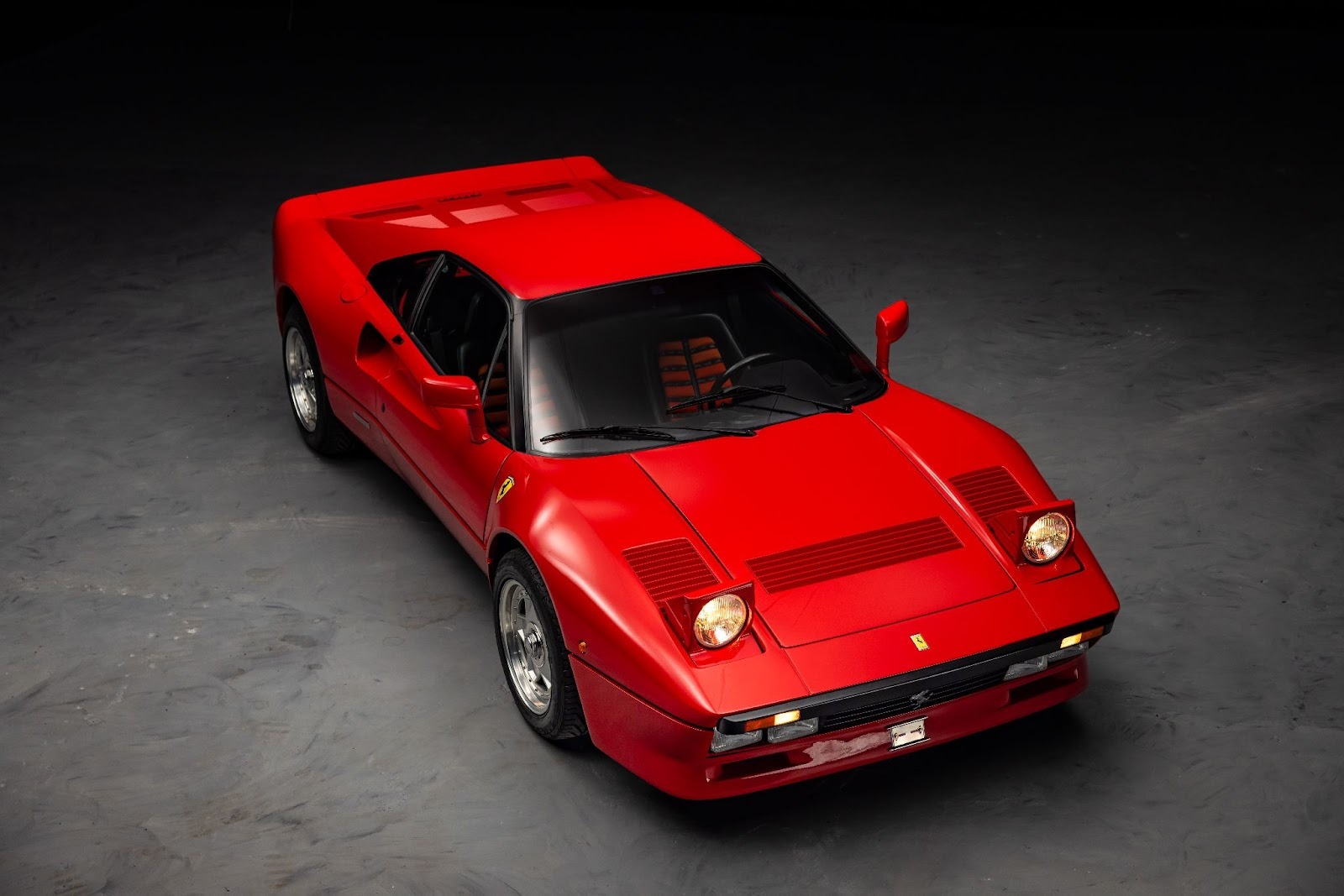
Ferrari built the 288 GTO to race in Group B. That never happened, but the homologation special that resulted is automotive royalty. Twin turbos force-feed a 2.9-liter V8 mounted lengthwise in a tubular steel frame wrapped with Kevlar and composite panels. Only 272 to 278 examples exist, depending on who counts.
In the mid-1980s, buyers paid six figures. Now? These trade for millions, placing the 288 GTO among the elite one percent of collectible automobiles. For example, a 1985 288 GTO has recently fetched over $3M at an auction in Ontario, Canada.
F40
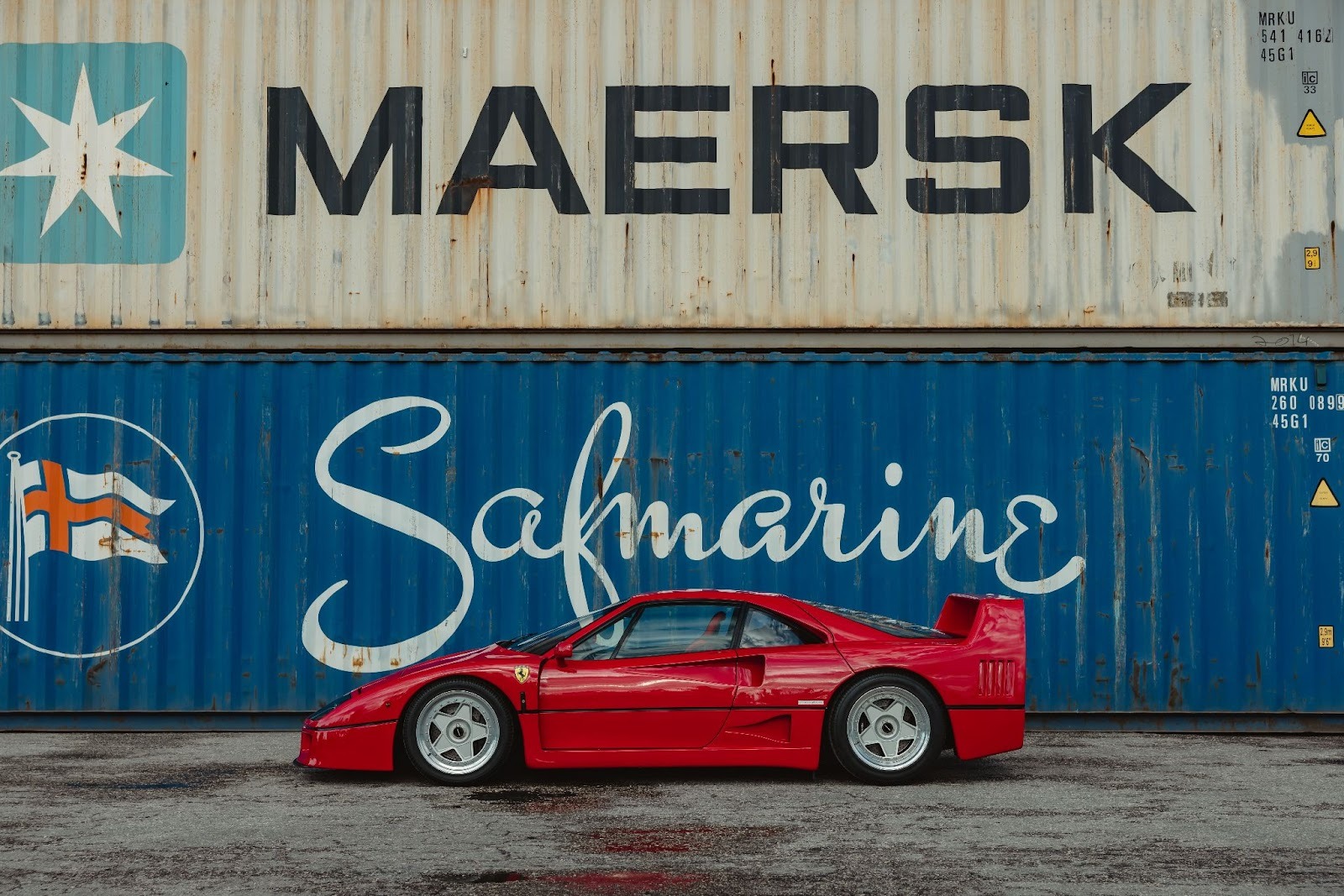
Enzo Ferrari signed off on this one before he died. That fact alone matters. The F40 strips everything to its essence: a twin-turbo 2.9-liter V8 making 478 horsepower, a tubular spaceframe, and bodywork built from Kevlar and carbon fiber. No comfort. No compromise. Pure velocity.
In 2015, F40 values were close to one million. Today? Median prices exceed multiple millions (just check out this specimen sold for over $3M in 2025). Collectors obsess over details: catalytic converters or non-cat, adjustable suspension or fixed, original paint or respray. According to various auction data, the F40 has transitioned from appreciated classic into what institutional buyers treat as a liquid, stable asset. Think of it as a blue-chip stock that happens to have a gated shifter.
F50
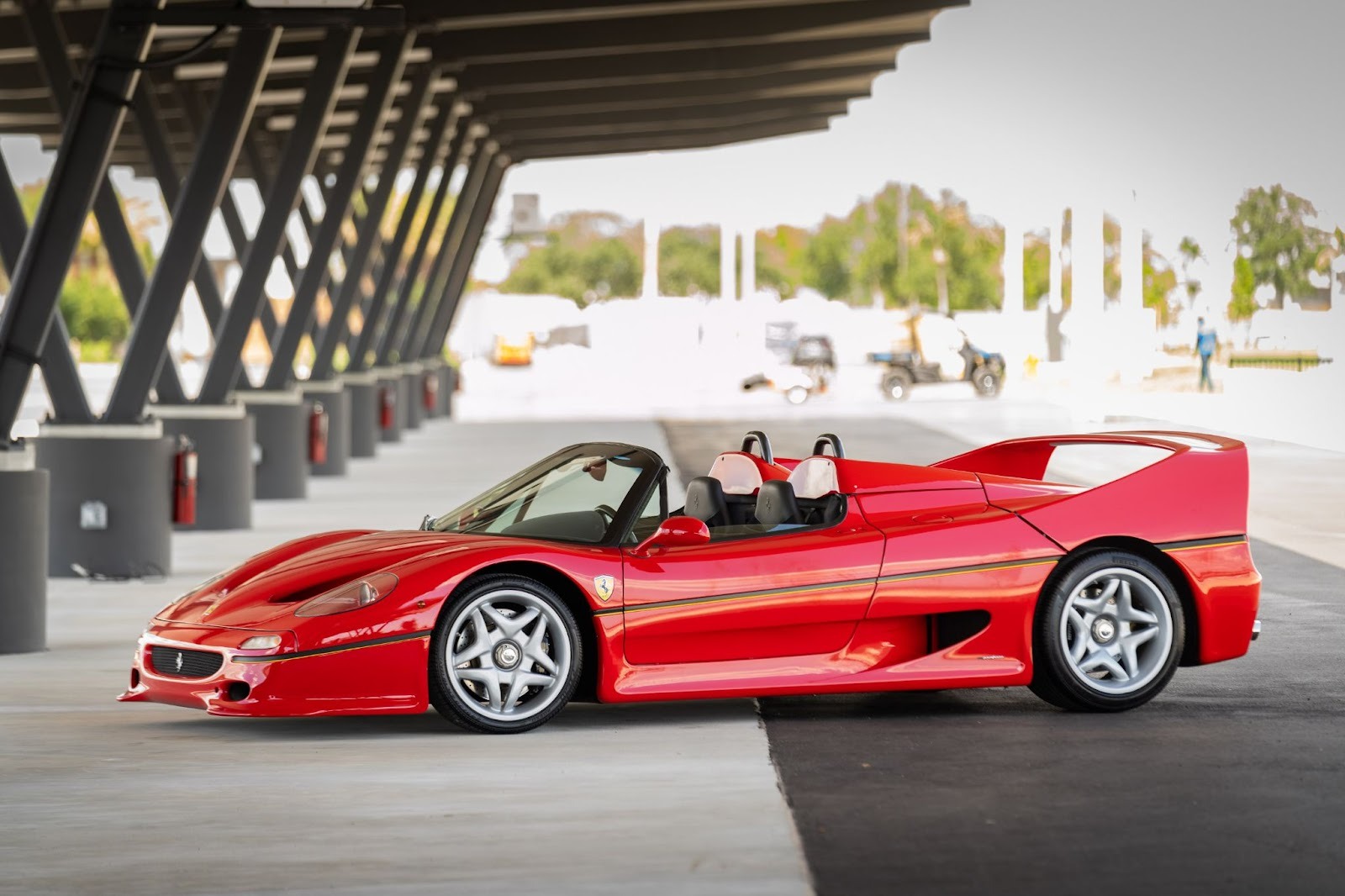
Where the F40 pursued rawness, the F50 chased technical perfection. Its 4.7-liter V12 started life as a Formula One engine. Ferrari bolted it directly to a carbon monocoque as a stressed member, without a subframe, just the engine and tub working as one unit. The production ended with 349 cars, all of which had a targa roof and a six-speed manual that collectors cherish for its mechanical purity.
Recent valuation reports note roughly 60 percent increase in value for F50s over the recent years. Average sales cluster around five million dollars, with exceptional examples pushing higher. This is one of the hottest markets right now among Ferrari halo cars. Buyers see the F50 as the sweet spot between F40 savagery and Enzo refinement.
Enzo
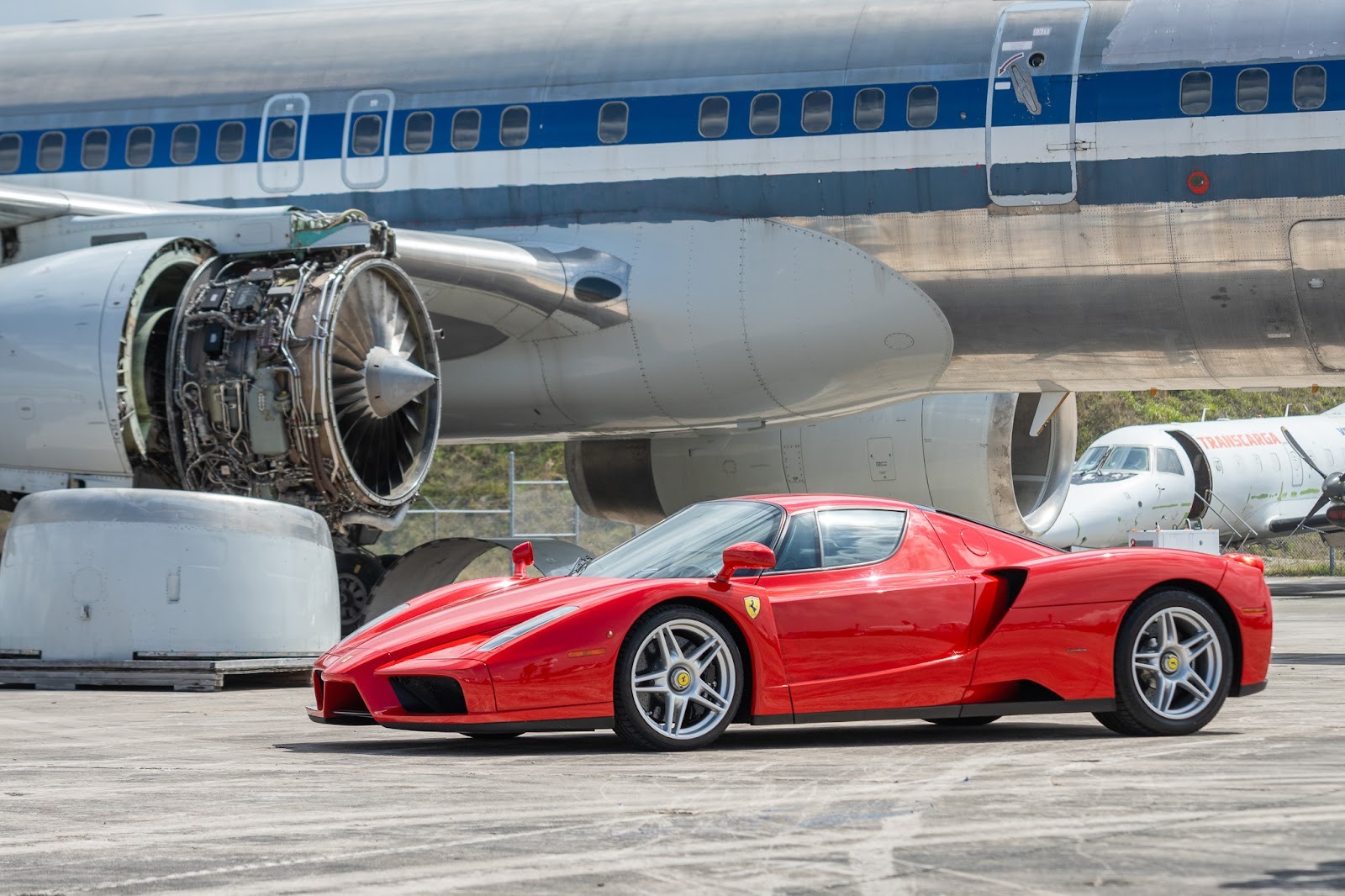
Named for the founder, the Enzo brought Formula One tech to public roads in the early 2000s. Its 6.0-liter V12 screams to 650 horsepower through advanced electronics and high-rev engineering. The carbon fiber and Nomex honeycomb tub paired with an F1-derived electro-hydraulic gearbox made this feel genuinely cutting-edge at launch.
Production numbers sit around 399 units, with a few extras created later. Documented authenticity is provided by Factory Classiche certification, which adds significant value. The Enzo trades as a long-term cornerstone asset within the modern Ferrari family. Values (multiple millions in USD) stay strong through market cycles, showing steady appreciation rather than explosive spikes.
F512 M
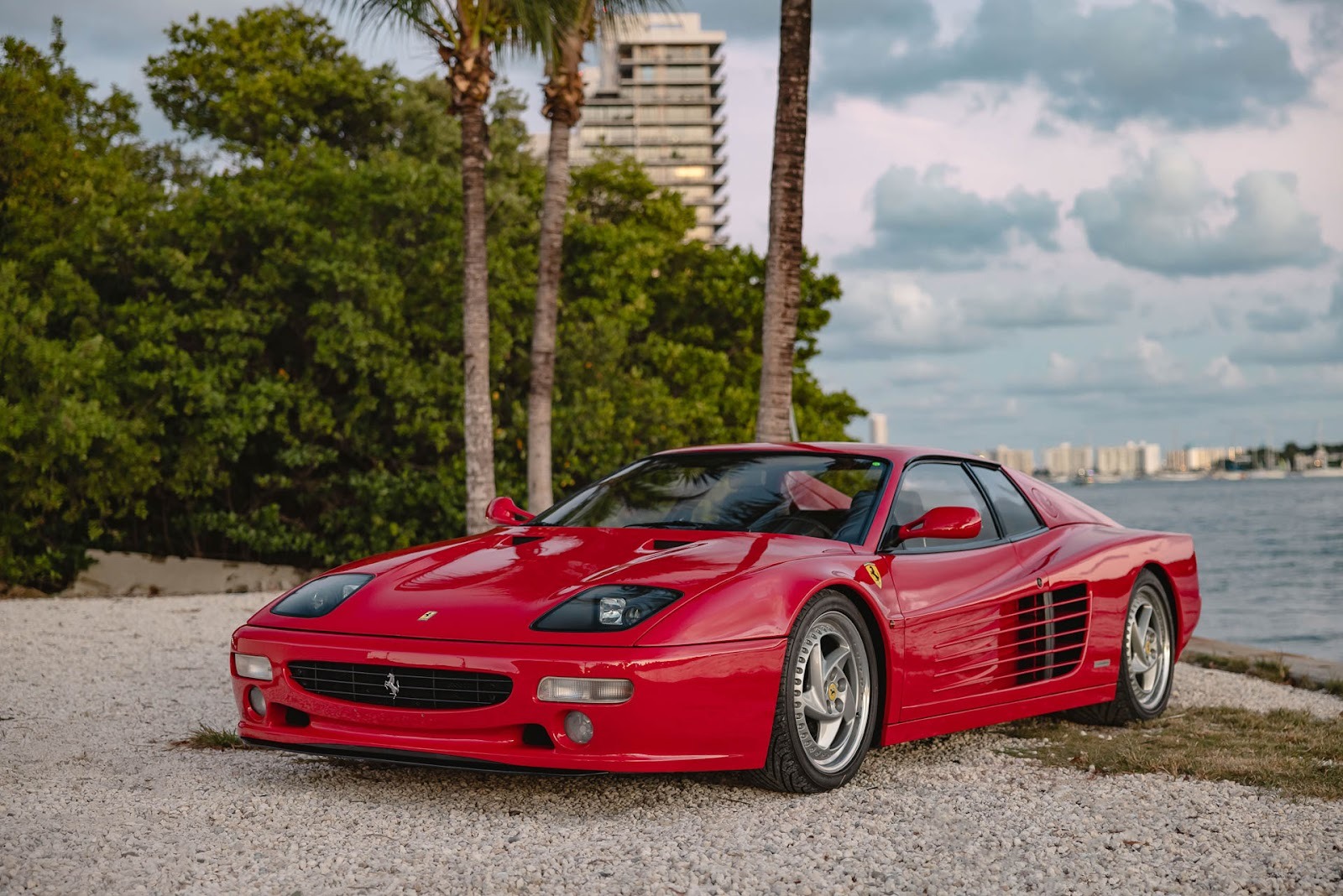
Wide haunches. Side strakes. That flat-twelve engine. The F512 M was the culmination of Ferrari's iconic wedge design, enhancing the Testarossa formula with improved performance and updated styling. It was the most sophisticated version of the lineage due to a number of mechanical improvements like a revised 4.9-liter flat-12 engine with titanium rods, higher compression, upgraded suspension, Bosch ABS brakes, and a lighter chassis. Visually, the car got fixed headlights under Lexan covers, a sleeker front bumper, a revised rear with exposed taillights and body-colored engine cover.
What used to be an underappreciated “modern” Ferrari now attracts significant collector attention. With 501 examples built (with only 75 designated for the US market), its relative rarity and status as the end of the flat-twelve era have elevated its standing among supercar enthusiasts. Low mileage samples command well over half a million at auctions today.
Lamborghini Legends
Miura
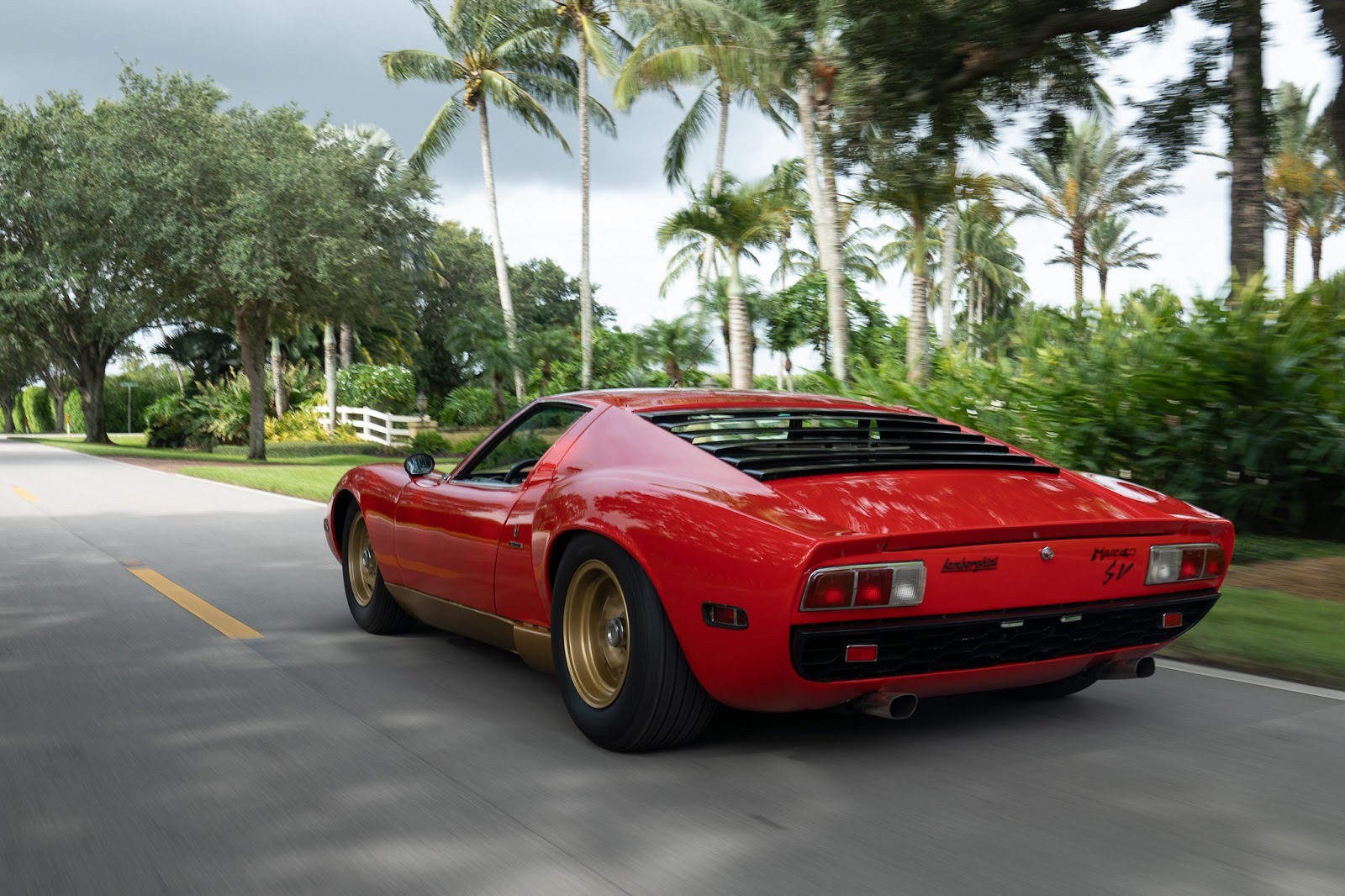
The Miura invented the mid-engine supercar as we know it. Lamborghini mounted a transverse 3.9-liter V12 behind the seats in a configuration so audacious it shared the crankcase with the gearbox. This created one of the most beautiful cars ever built.
Today good examples trade at or above one million, with top cars pushing into mid-seven figures and setting fresh records. What’s the twist? Well, some collectors obsess over P400 versus P400S versus SV distinctions: carburetor setups, suspension changes, wider rear tracks, those iconic eyelash headlight surrounds. Split-sump SVs with original body details command the strongest prices in a market that remains robust for exceptional examples.
Countach
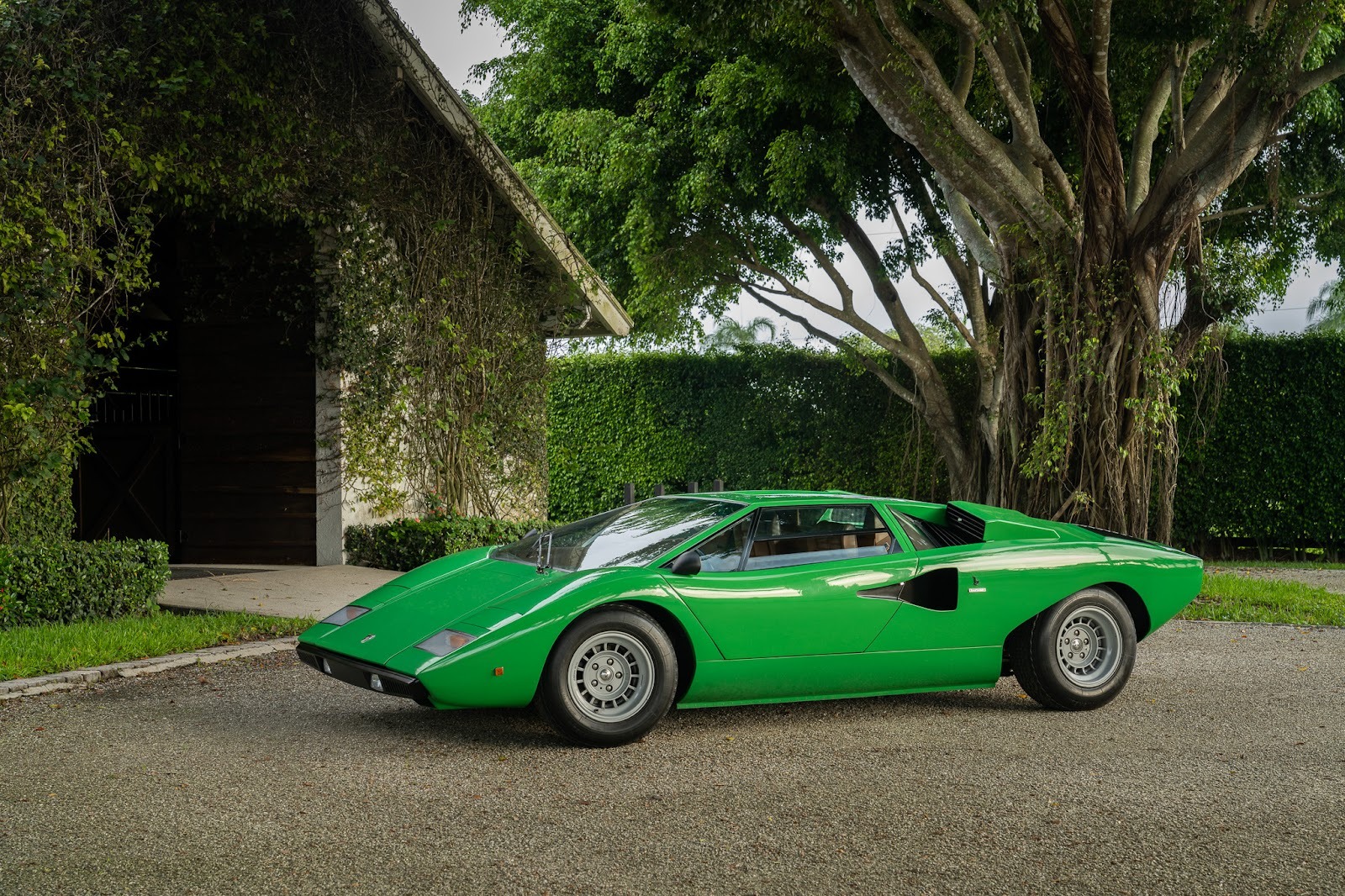
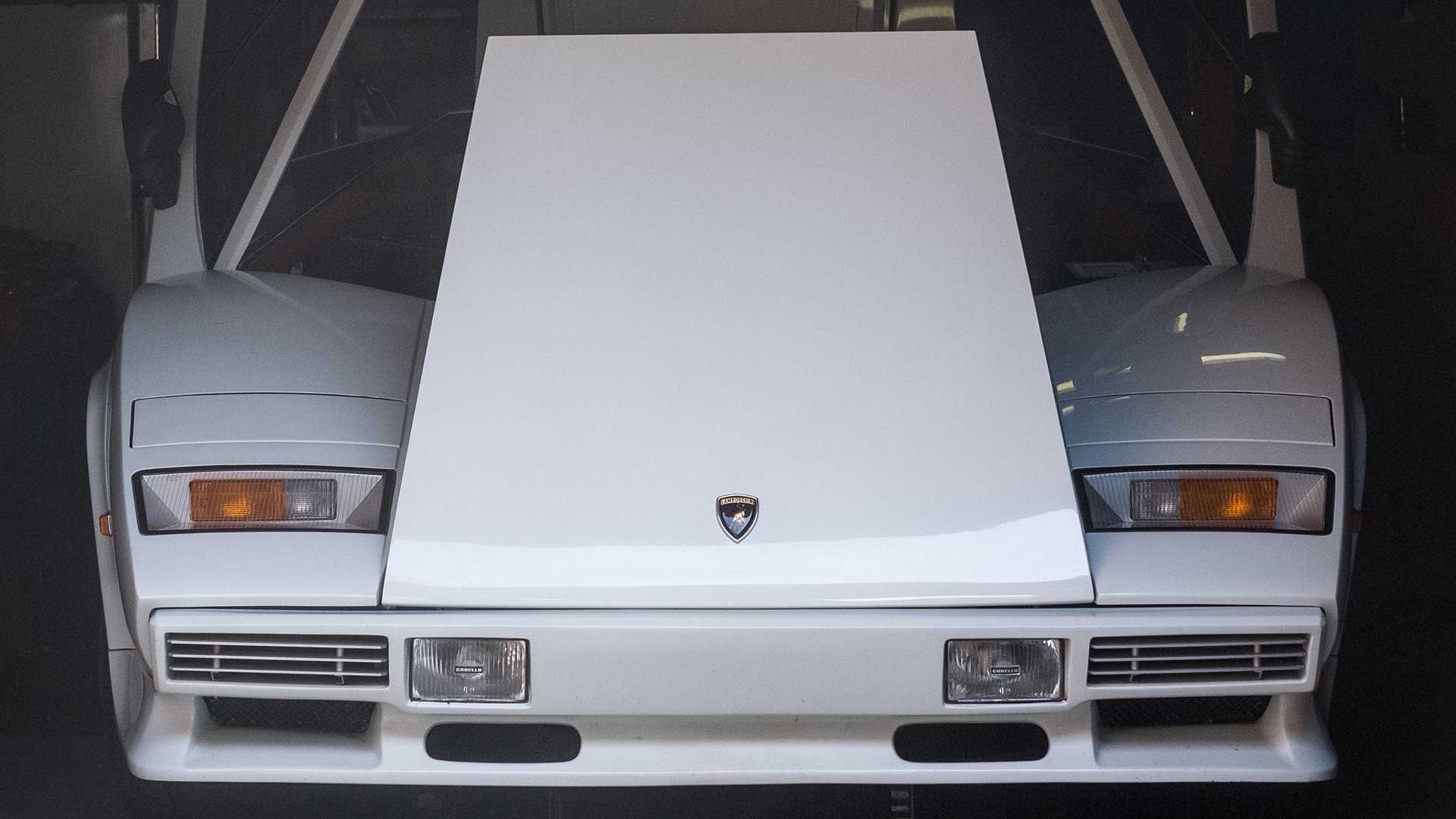
If the Miura pioneered mid-engine exotics, the Countach defined them for a generation who would grow up to buy them. Early LP400 Periscopio models represent peak purity: longitudinal 3.9-liter V12 fed by six carburetors, narrow body, minimal aero addenda, and that distinctive periscope roof channel that gave the variant its name.
Exceptional early examples bring significantly higher sums today. Based on auction results, the Countach occupies full icon status in current pricing. Appreciation continues at a calmer slope now.
Diablo
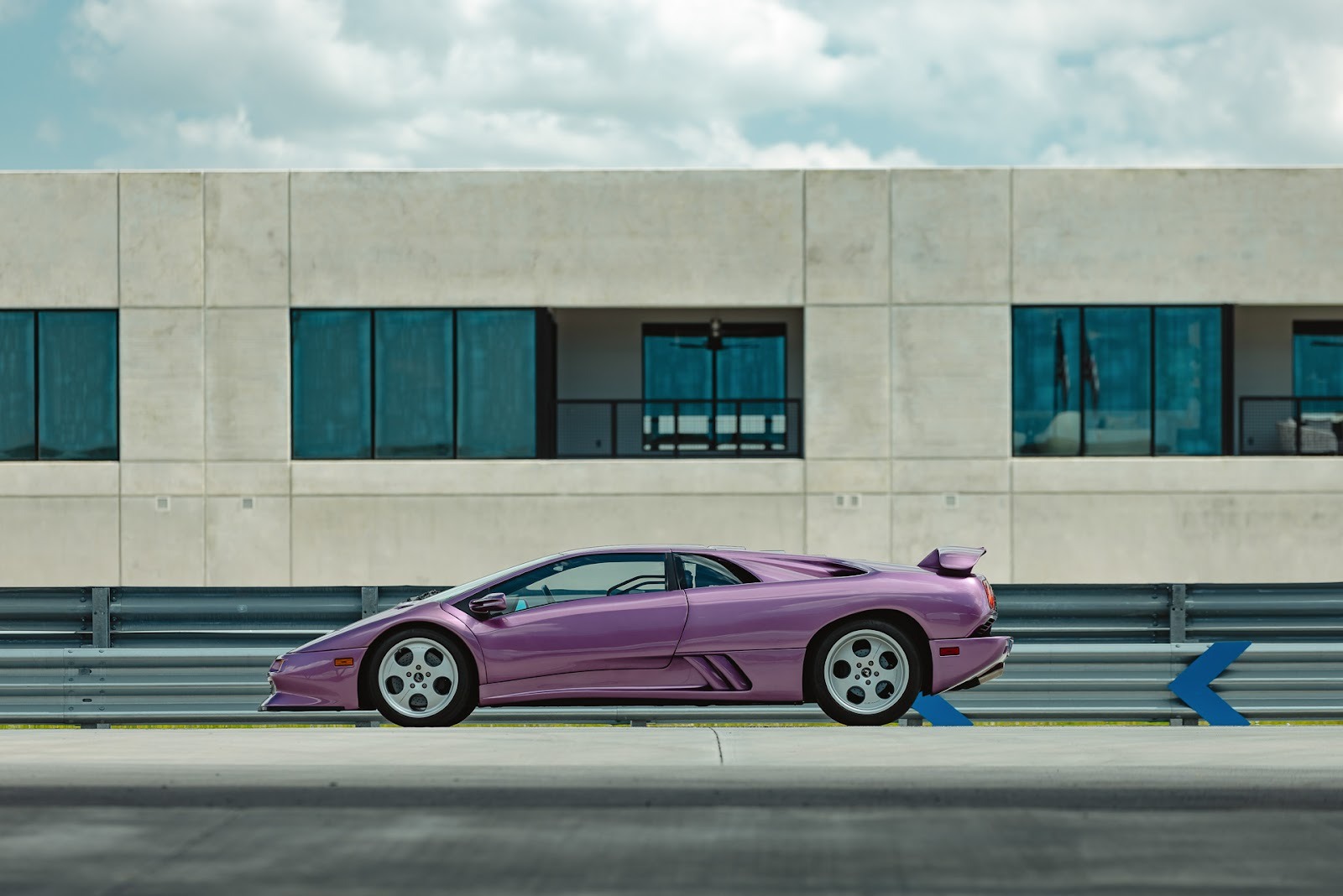
The Diablo brought Lamborghini into the 1990s with sharper styling and refined engineering. Standard models pack 5.7 to 6.0-liter V12s, with later versions adding variable-valve timing for more power. Today, collectors prefer manual-transmission cars, with the most coveted examples drawn from the more focused special variants rather than the standard VT.
Standard Diablos have appreciated nicely, but the real action lives in rare variants. The Diablo GT, with its wider track, carbon bodywork, more power, and extremely limited production, has reached serious seven-digit territory. One GT with substantial mileage sold for over $1 million at RM Sotheby's, suggesting that strong upward repricing continues for top-specification cars. Collectors increasingly recognize a separation between standard and special Diablos, and prices reflect that recognition.
Other Collector Darlings
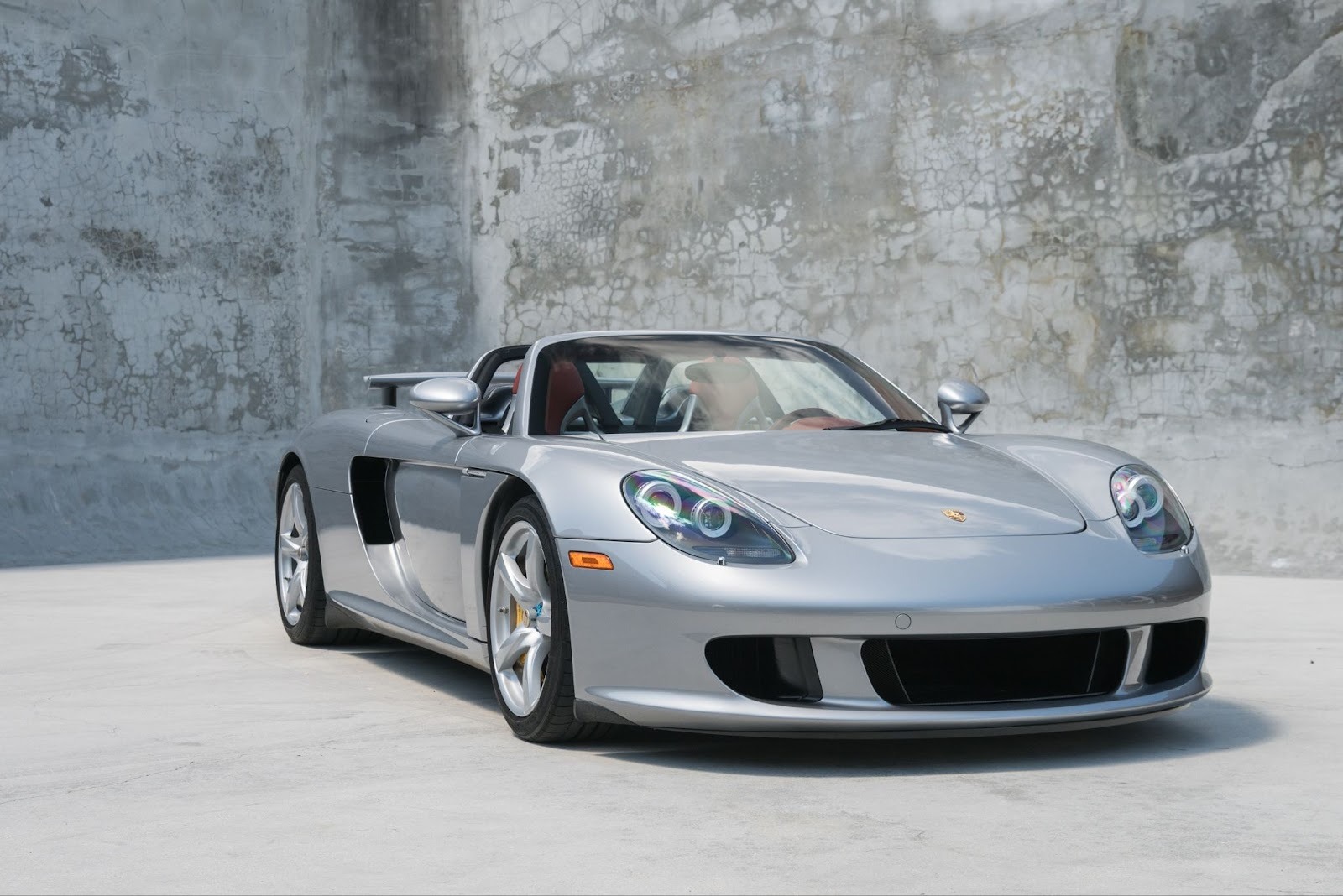
Porsche Carrera GT
The Carrera GT is Porsche's purest road-going race car. Its 5.7-liter V10 started as a shelved Le Mans prototype engine. Dry-sump lubrication uses ten separate oil pumps. The redline sits at 8,400 rpm. The carbon tub creates exceptional rigidity, while the ceramic composite clutch (a tiny 169mm twin-plate unit) provides one of the most challenging manual experiences ever engineered.
The original MSRP was around $450,000. Values reached roughly one million by 2015, then grew beyond two million by 2022 for rare spec examples. The current medians are well within seven figures. Collectors obsess over clutch condition and unmodified exhausts, as the car's notorious difficulty creates a clear separation between pristine examples and those showing heavy use.
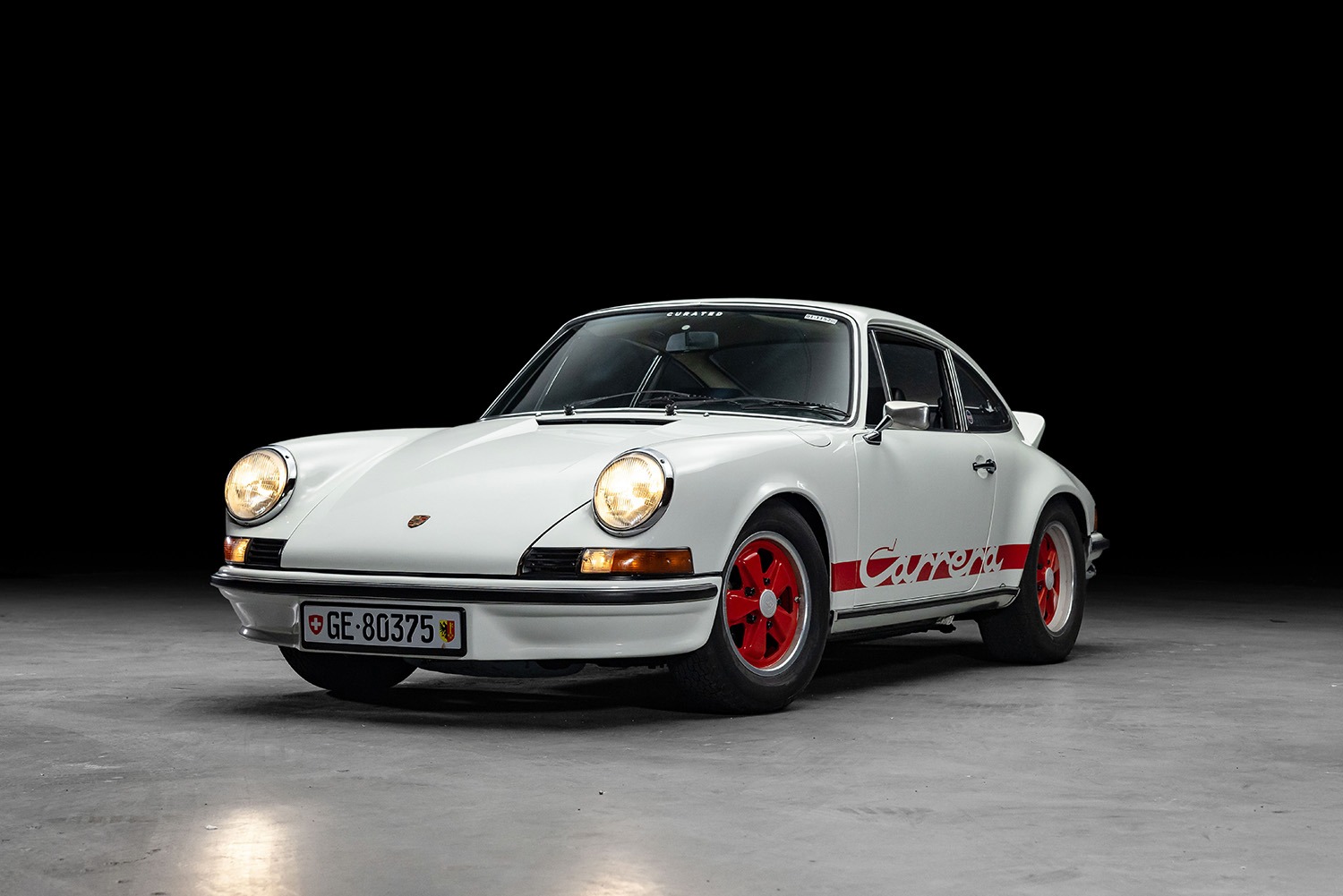
Porsche 911 Carrera RS 1973
The 1973 Carrera RS created the template for lightweight homologation 911s that Porsche still follows today. Its 2.7-liter air-cooled flat-six with mechanical fuel injection revs freely and sounds perfect. Thinner glass, lighter panels, and that iconic ducktail spoiler define the look that every subsequent RS tries to channel.
Distinctions matter enormously: Touring versus Lightweight specifications, M472 versus M471 trims, create significant value differences, as do original panels and matching-numbers engines. The value of these cars has gone up many multiples over the original price, indicating the wider rise of air-cooled Porsche icons into cornerstone collectible territory. The current market sits high and stable rather than spiking.
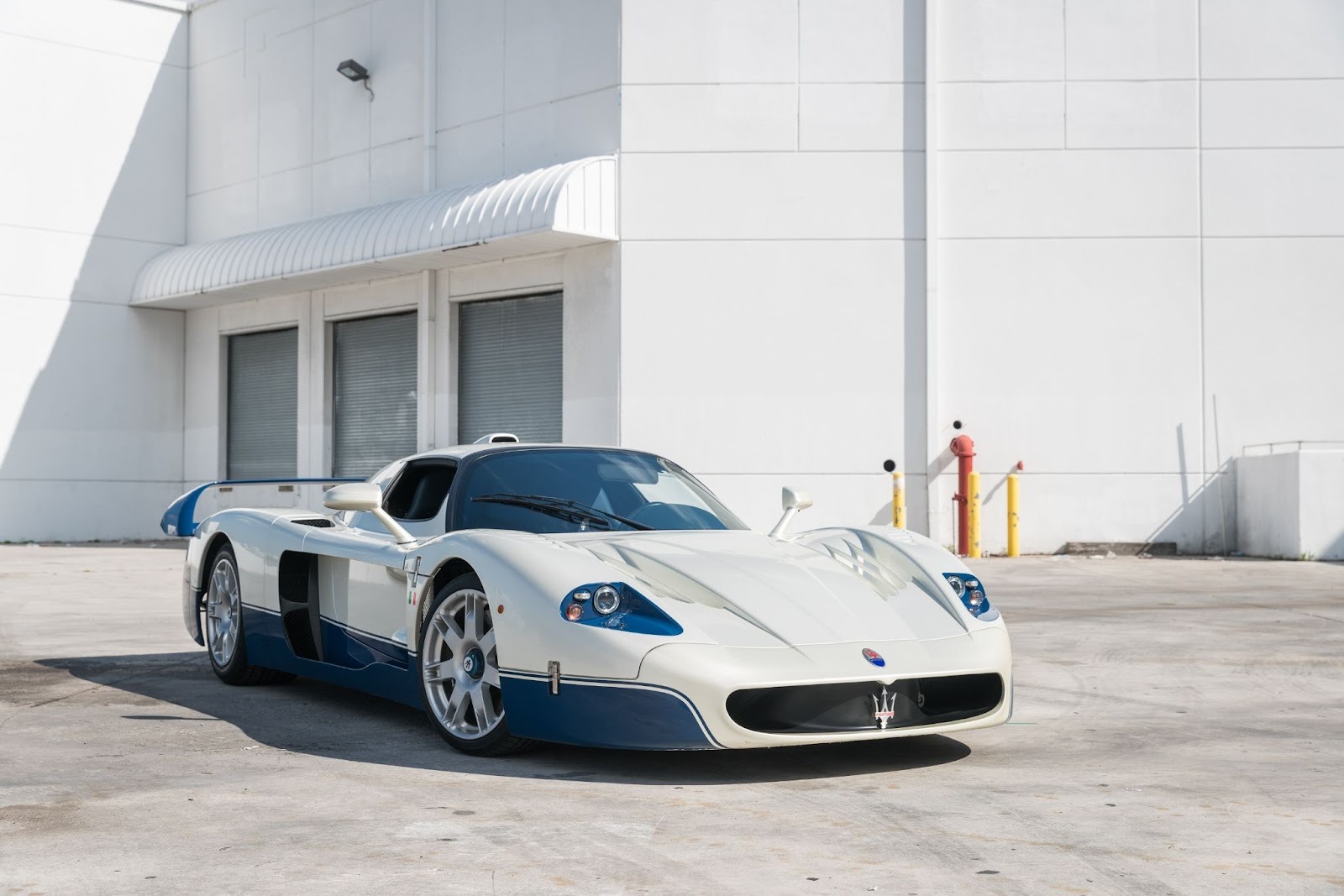
Maserati MC12
The MC12 shares its DNA with the Ferrari Enzo by utilizing its 6.0-liter naturally aspirated V12, which is slightly tuned but still produces around 620 horsepower. The carbon and Nomex honeycomb chassis carries a fixed-roof targa body with serious aerodynamic elements, such as an extended tail and prominent rear wing, that make it look like it has escaped from Le Mans. Because it kind of did.
Extreme rarity defines MC12 values. Roughly fifty Stradale road cars exist, plus additional Corse track variants. A Stradale sold at Monterey 2025 for approximately 5.2 million dollars. That makes the MC12 the most expensive modern Maserati by a large margin. Fresh records and clear momentum suggest this remains in an active repricing phase as collectors catch up to genuine scarcity.
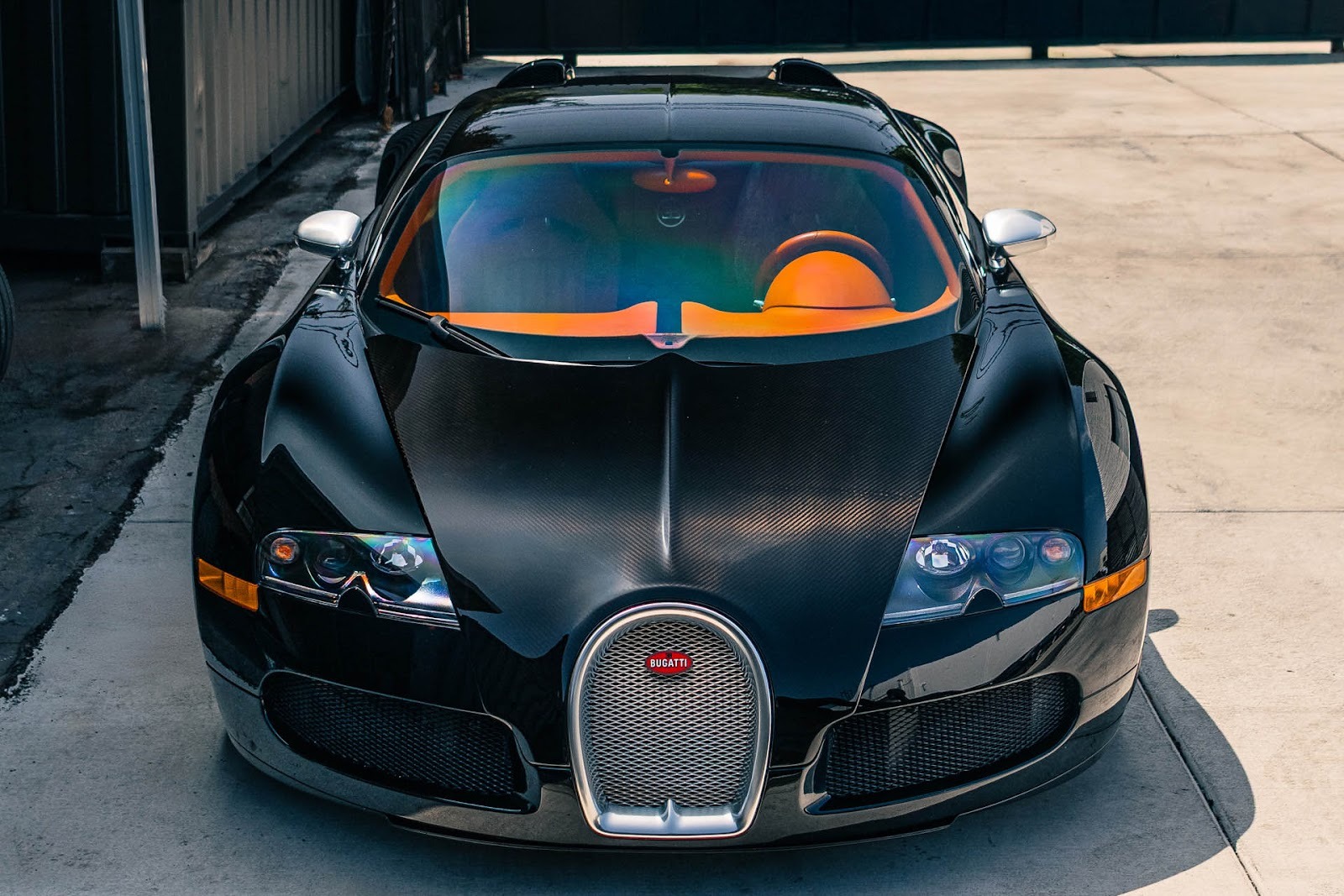
Bugatti Veyron
The Veyron's engineering reads like fiction: 8.0-liter quad-turbocharged W16 with four turbochargers and 64 valves producing between 1,000 and 1,200 horsepower depending on variant. Sophisticated all-wheel drive. Seven-speed dual-clutch. Active aerodynamics with a massive hydraulic rear wing. When it was new, it was a technological showcase that faced immediate depreciation as early used examples hit the market.
Market sentiment has completely reversed as certain Grand Sport Vitesse examples fetch between $2 and $2.6 million at major auctions, which is a clear rebound from the earlier lows. The narrative shifted from a hypercar that was depreciating to a collectible artifact of a specific engineering era. Very limited runs of Super Sport and Grand Sport Vitesse variants carry the biggest premiums as collectors reassess what the Veyron represents.
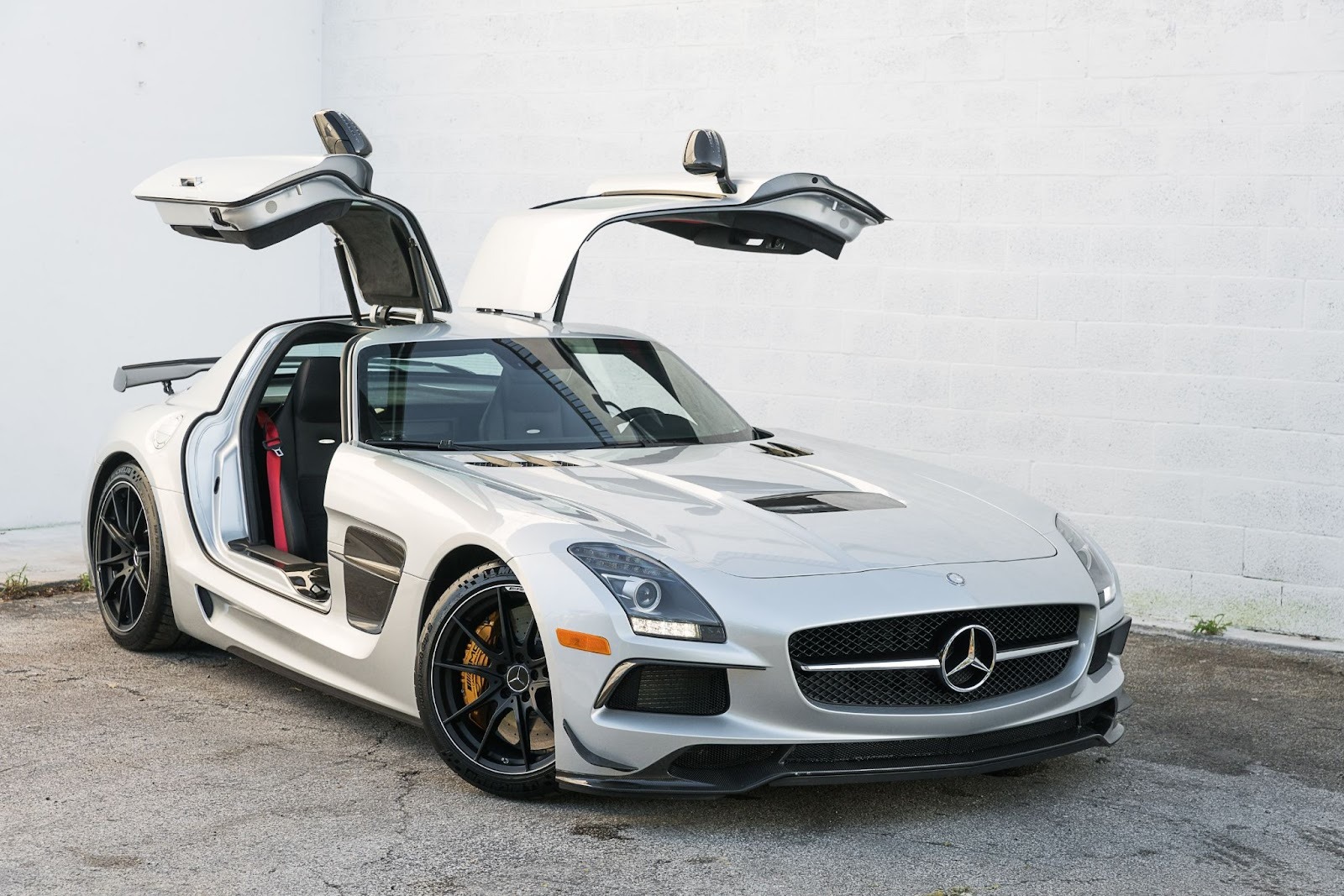
Mercedes-Benz SLS AMG Black Series
The Black Series represents the ultimate evolution of the SLS AMG. Its naturally aspirated 6.3-liter M159 V8 delivers between 622 and 631 horsepower, thanks to revised internals and a higher redline. Weight reduction combines with firmed-up suspension, carbon-ceramic brakes, a titanium exhaust, and active aerodynamics topped by a carbon fiber rear wing. Together, these enhancements push the Black Series beyond the standard SLS into true track-weapon territory.
The median value of these cars is approaching one million dollars. This represents one of the clearest current explosion stories among modern cars. Collectors increasingly view the Black Series as a future classic comparable to the Porsche GT2 RS: limited production, extreme performance, and genuine rarity create sustained upward momentum.
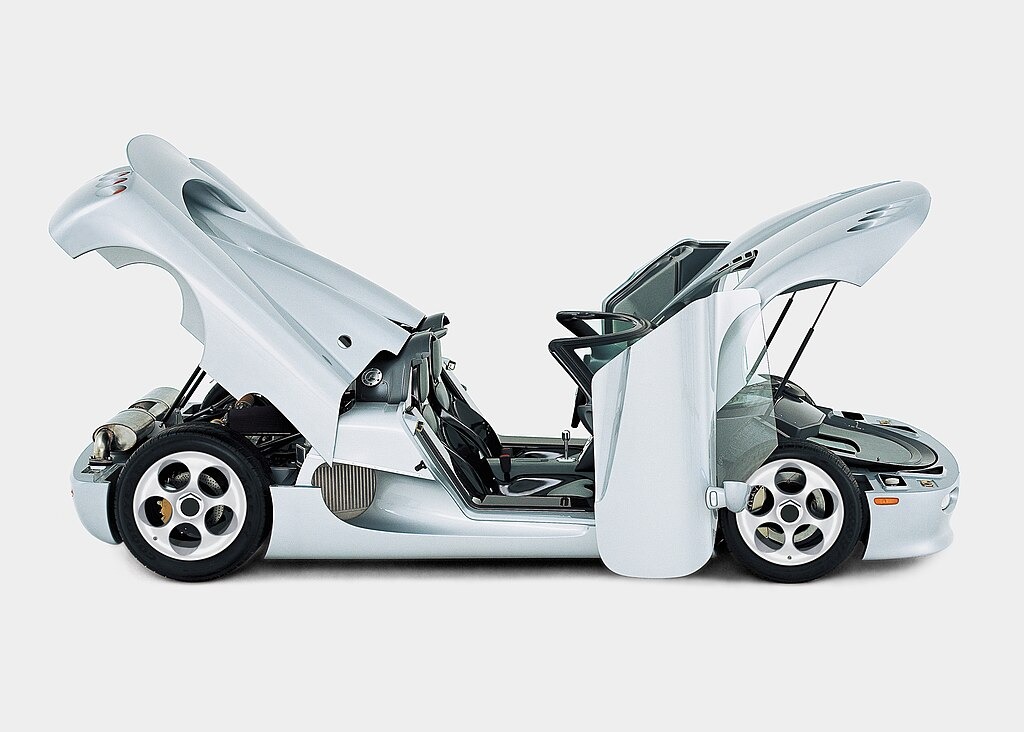
Koenigsegg CC8S
As Koenigsegg's first homologated road car, the CC8S holds special significance. Its 4.7-liter supercharged V8 started as Ford architecture but evolved into something entirely different, producing around 655 horsepower. The carbon fiber monocoque and distinctive dihedral synchro-helix doors created an instant icon from a manufacturer that would later dominate hypercar conversations.
Production numbers measured in single digits per year create an extremely rare territory. Although the data is sparse, the trend shows a definitive upward trend from original pricing as Koenigsegg's reputation and scarcity narrative have grown.
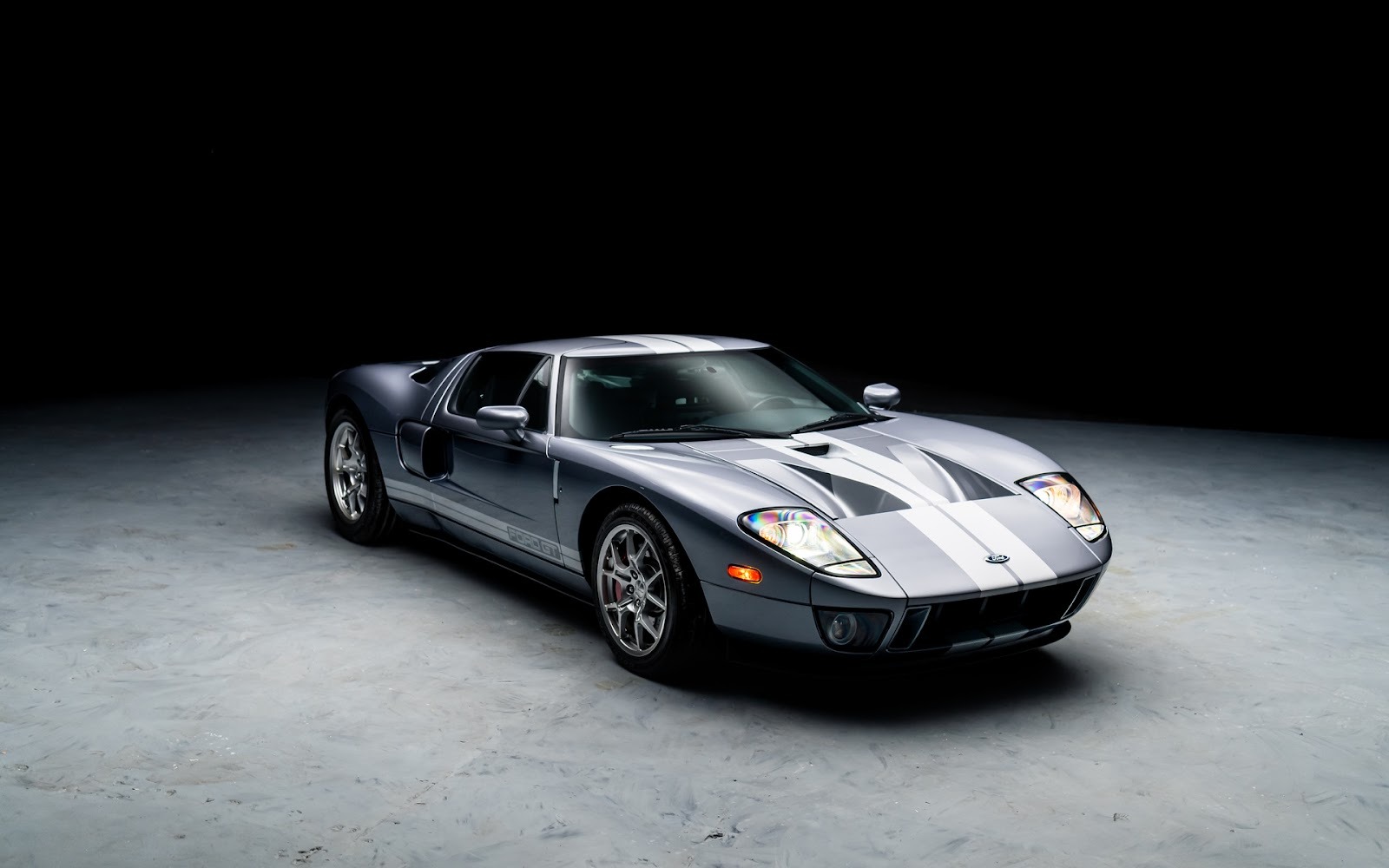
Ford GT (2004-2006)
The modern Ford GT brought Le Mans glory back to American roads. Its 5.4-liter supercharged modular V8 with dry-sump system and Lysholm-type blower produces around 550 horsepower through a Ricardo six-speed manual transaxle. The aluminum spaceframe provides the proper structure for the supercar. Heritage livery colors and specific options define what collectors chase.
From the original MSRP of around $140,000 to $150,000, recent analyses place 2005-2006 examples averaging in the mid-300,000 range. Pristine no-mileage Heritage Edition Gulf livery cars can fetch close to $1 million, while even standard low-mileage examples command over $500,000. Over twenty years, this represents multiple times of appreciation, though the last couple of years have shown some minor softening at the top.
Understanding Value Context
Auction results fluctuate based on factors beyond the model itself, so the numbers alone don't tell the story. Documentation creates massive separation: complete service history, original books, window stickers, tool kits, factory certificates, and clear ownership chains are must-haves that produce results that exceed estimates.
Originality also commands higher premiums. Matching-number engines and transmissions, original body panels, factory interior components, stock ECU programming, and unmodified exhausts contribute to top-tier valuations. The gap between heavily modified examples and completely original cars has become significantly larger.
There are surprising differences within single model lines due to color and specification. A Heritage-livery Ford GT trades differently than a standard red example. Early LP400 Countach models with periscope roofs command premiums over later wide-body variants. Gated manual F355 Berlinettas separate from F1-transmission Spiders. These details matter to serious collectors and directly impact market values in ways that casual observers miss.
Market maturity may also affect behavioral patterns. Some cars are now traded as established assets with measured movements. Others, such as the MC12 and SLS Black Series, may continue to expand actively.
Protecting Long-Term Value
Several factors help preserve a supercar's value.
It is crucial to keep cars as close to factory specifications as possible, unless they are historically significant with modifications. As values climb, documentation becomes increasingly critical. Complete service records, dated photographs, maintenance invoices from marque specialists or authorized dealers, and documented provenance all add tangible value. Professional cosmetic work that uses original colors with proper documentation is always superior to trendy resprays or undocumented restorations.
Mileage requires careful balance. The biggest bonuses are given to cars that are genuinely low-mileage and kept as reference examples. Occasional exercise prevents mechanical issues that can occur in static storage, but for enthusiasts who love driving, moderation would still be key. Aim for modest, documented usage rather than aggressive driving or track days.
Climate-controlled storage protects against environmental degradation. Dry, temperature-stable environments with controlled humidity prevent rust, mold, and interior deterioration. Finally, understanding market cycles helps owners recognize whether specific models are rising, plateauing, or correcting.
What Comes Next
The cars from our list will likely maintain high values long-term. Top-tier cars like the F40, F50, Enzo, MC12, Carrera GT, Miura, Veyron, Ford GT carry enough scarcity, brand strength, and cultural weight that analysts expect them to remain long-term stores of value.
Another intriguing question arises due to demographic shifts. Over the last few years, much demand has come from Generation X and older millennials who grew up idolizing these cars. As the cohort ages, the values will be affected by whether younger buyers continue to be interested in analog exotics.
We believe that the analog, limited-production narrative will endure. Last-of-the-analog models and low-production motorsport-linked cars are and will continue to be the most resilient market segment for preserving value.
About We Are Curated
We, at Curated, aim to preserve automotive history by guiding collectors through all aspects of ownership. These supercars are rolling artifacts of specific technological moments and design philosophies that have shaped automotive culture.
Our role is to guide both experienced collectors and new enthusiasts towards thoughtful stewardship. Preservation of value and history can be achieved through careful documentation, maintenance, and usage. By fostering a community that prioritizes long-term preservation over speculation, we help ensure that these cars survive for future generations.


.webp)
